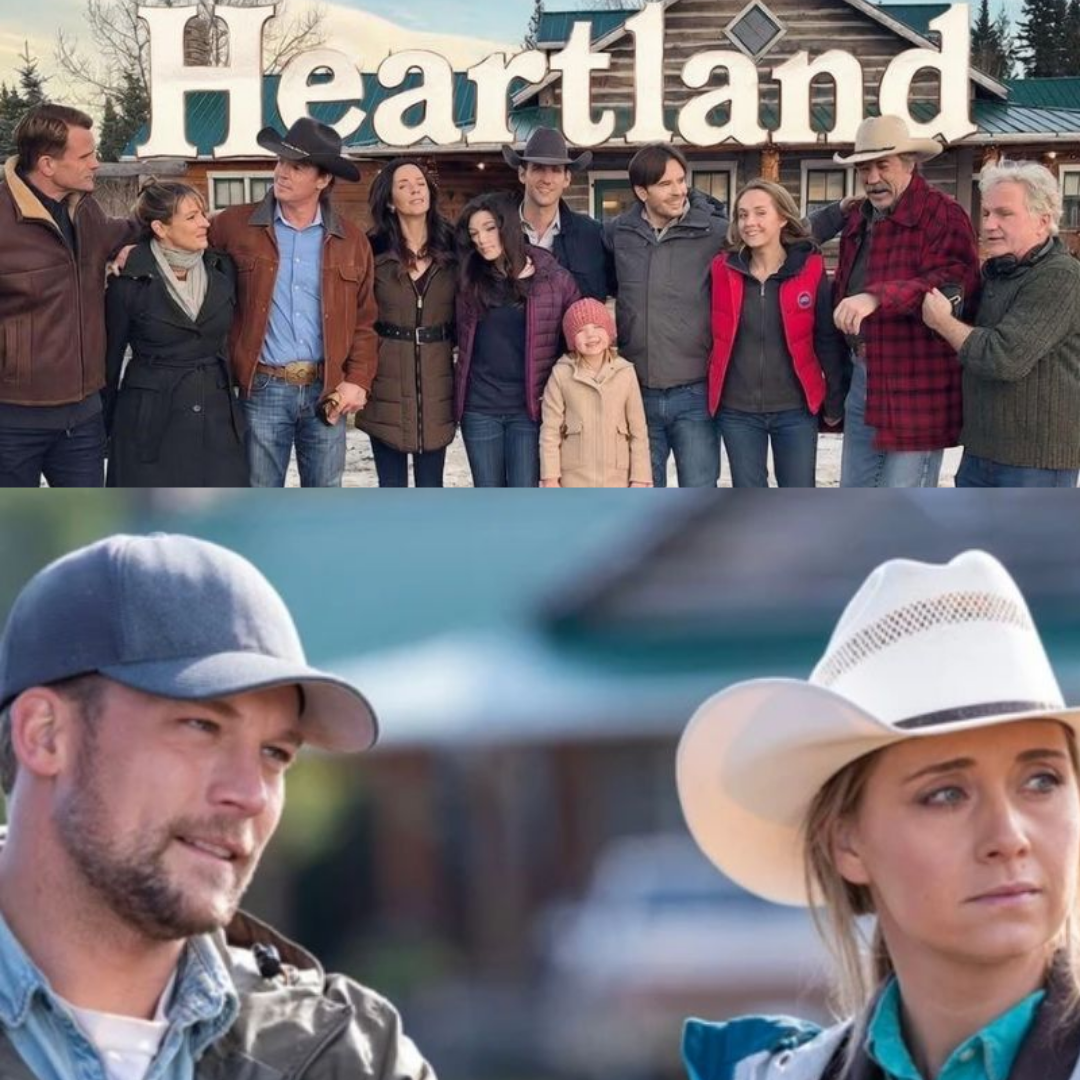
Heartland: A Quiet, Enduring Story About Healing, Family, and Home
Since its debut in 2007, Heartland has become one of the longest-running and most beloved drama series in television history. Set against the sweeping landscapes of Alberta, Canada, the series is often described as gentle, comforting, and deeply human—but that simplicity is precisely where its power lies. Heartland is not driven by shock value or high-stakes spectacle. Instead, it earns its longevity through emotional honesty, character growth, and a consistent belief in healing—both for people and animals.
The Heart of the Story
At its core, Heartland follows the Fleming-Bartlett family, who run a horse ranch known for rehabilitating abused and troubled horses. The story begins with loss: Amy Fleming’s mother, Marion, dies suddenly, leaving Amy—a teenage girl with a rare gift for understanding horses—to step into a role she never expected.
From the very first season, Heartland establishes its central theme: pain does not disappear, but it can be transformed. Each episode reflects this idea through parallel journeys—injured horses learning to trust again, and family members learning how to move forward after trauma.
Amy Fleming: Growth Without Losing Kindness
Amy Fleming is the emotional anchor of the series. Unlike many television protagonists whose growth is defined by becoming harder or more cynical, Amy’s development is marked by something rarer: she grows stronger without losing her empathy.
Her ability to connect with horses is not portrayed as magical or exaggerated. It is rooted in patience, observation, and respect. Over the seasons, Amy faces grief, heartbreak, motherhood, and responsibility, yet the show allows her to change naturally. She is never rushed into becoming someone else. Instead, Heartland honors slow, believable growth—mirroring real life.
Family as a Living, Breathing System
One of Heartland’s greatest strengths is its portrayal of family. The Fleming-Bartlett household is not idealized. Disagreements happen. Generational tensions surface. Characters make mistakes and hurt each other unintentionally. But beneath all of it is an unshakable sense of loyalty.
Jack Bartlett, the family patriarch, represents tradition, discipline, and hard-earned wisdom. Lou Fleming brings ambition and modern thinking, often clashing with the ranch’s slower rhythm. Over time, their conflicts do not disappear—but they soften. The show suggests that family harmony is not about agreement, but about commitment.
Horses as Mirrors, Not Props
In many series, animals exist as background or symbolism. In Heartland, horses are treated as full participants in the narrative. Each horse’s trauma—neglect, abuse, fear—mirrors the emotional struggles of the humans caring for them.

What makes this portrayal special is its realism. Healing is never instant. Trust takes time. Setbacks happen. This approach reinforces one of the show’s most important messages: healing is a process, not an event.
For viewers, this creates a sense of calm honesty. Problems are not solved in dramatic bursts, but through persistence and care.
A Different Kind of Television Pacing
In an era dominated by fast edits, shocking twists, and constant escalation, Heartland chooses a different path. Its pacing is deliberate. Moments are allowed to breathe. Conversations are not rushed.
This slower rhythm is often described as “comfort viewing,” but that description understates its craft. The show trusts its audience to stay engaged without manipulation. It values emotional continuity over constant reinvention.
That trust is one of the reasons viewers return season after season.
Landscape as Emotional Space
The Canadian countryside is more than a setting—it is an emotional presence. Wide skies, open fields, and quiet barns create a sense of grounding. Nature in Heartland is not romanticized, but respected. It reflects the characters’ internal states: calm when they find balance, harsh when they face difficulty.
This connection to place reinforces the show’s central idea of home—not just as a location, but as a feeling of belonging.
Longevity Built on Consistency
Few shows last as long as Heartland without losing their identity. Its success comes from knowing exactly what it is—and refusing to betray that vision. Rather than chasing trends, the series deepens its existing themes: responsibility, forgiveness, resilience, and love.
Even as characters leave and new ones arrive, the emotional tone remains steady. Viewers know what they are returning to—and that reliability is rare in modern television.
Why Heartland Still Matters
Heartland resonates because it reflects a kind of life that many people crave but rarely see represented: one where growth is quiet, relationships are repaired rather than abandoned, and strength comes from compassion rather than dominance.
The show does not deny hardship. Death, loss, and disappointment are present throughout. But it refuses to suggest that suffering is the end of the story.
Instead, Heartland offers something increasingly valuable: hope without naivety.
Final Thoughts
Heartland may never be the loudest or most talked-about series on television, but its impact is undeniable. It reminds viewers that meaningful stories do not need to shout. They can speak softly, patiently, and still be heard.
In a media landscape often defined by excess, Heartland stands as proof that sincerity, when sustained over time, can be just as powerful—and far more enduring.