
😱💥 Netflix’s Black Rabbit Sparks FURY! 🔥 Critics RIP Into Jude Law & Jason Bateman’s Crime Thriller — Calling It “Miserable, Undercooked & Impossible to Care About”! 👇
Netflix’s Black Rabbit Sparks FURY: Critics Tear Into Jude Law & Jason Bateman’s New Crime Thriller — Branding It “Miserable, Undercooked and Impossible to Care About”!
When Netflix dropped Black Rabbit on September 18, 2025, the streamer clearly expected a prestige hit. A high-caliber cast led by Jude Law and Jason Bateman, a moody noir crime setup in the seedy backstreets of New York, and a creative team fronted by Zach Baylin and Kate Susman — it had all the makings of a buzzy fall thriller.
But within mere hours of its release, the knives were out. Critics didn’t just shrug their shoulders — they tore into the series with an almost venomous glee. Words like “miserable,” “undercooked,” and “impossible to care about” splashed across reviews from some of Britain’s most influential outlets, painting a bleak picture of a show that had promised grit and tension but delivered confusion and fatigue.
So what went wrong? And is Black Rabbit really the disaster that many claim — or is it one of those divisive Netflix gambles destined to attract a cult following despite the critical backlash?
A Noir Dream Gone Sour?
On paper, Black Rabbit looks like a dream project. Jude Law stars as Jake Friedken, a rising restaurateur with big dreams of climbing the New York ladder of success. Jason Bateman plays his chaotic brother Vince, a loose cannon whose return to town brings not family warmth but loan sharks and criminal mayhem.
The official Netflix synopsis teases a dangerous descent into the city’s underworld:
“A rising-star restaurateur is forced into New York’s criminal underworld when his chaotic brother returns to town with loan sharks on his trail.”
The series promises a blend of family melodrama, crime thrills, and a dark study of loyalty tested under the weight of secrets. At eight episodes, it was positioned as a binge-worthy miniseries with the star power to keep audiences hooked.
And yet — from its very first moments, critics argue that Black Rabbit struggles to find its footing. The Guardian’s Lucy Mangan branded the show “almost impossible to care about,” noting that despite the charisma of Law and Bateman, the drama never sharpens into focus.
“It’s too busy, trying to do too much, and loses the sharp focus it needs to bring us along for what is almost – but not quite – a great ride,” she wrote.
A Slow Burn… That Barely Burns
If there’s one refrain across the reviews, it’s pacing. The Mirror’s Peter Harris was scathing, calling Black Rabbit a “slow burn thriller” that moves at a crawl.
“Black Rabbit seems to define the term ‘slow burn thriller’. Some will find its tendency to shuffle along tiresome. I fully expect many will give up entirely and just look up spoilers.”
He even mocked the show’s notorious darkness — literally:
“Viewers will need to block off all light sources nearby in order to see what on earth is going on.”
And when the action finally ramps up around episode four, Harris argues that the so-called twists are painfully predictable.
“There are plenty of twists and turns across the eight episodes but I saw all of — if not the vast majority of them — coming. Not all of them were satisfactory when they did arrive.”
The consensus? Instead of simmering with tension, Black Rabbit leaves viewers tapping their watches, waiting for something meaningful to happen.

Wonderland, But Make It Miserable
Mashable’s Belen Edwards drew a sharp comparison between Black Rabbit and Alice in Wonderland. The title alone suggests a descent into a dark fantasy world — but Edwards warns it’s not a trip anyone would willingly take.
“Like Alice’s harried guide into Wonderland, Black Rabbit serves as a gateway to a hidden world itself, although it’s not one that anyone would describe as wonderful. Instead, the series invites viewers deep into the seedy underbelly of New York.”
And while that sounds promising, the critic quickly punctures the illusion:
“What should be a propulsive crime thriller never quite gels, and that starts with Black Rabbit’s aggravating structure.”
Brothers in a Bother
If the writing is floundering, at least the performances have fared slightly better. Almost every critic agrees that the show comes alive when Jude Law and Jason Bateman are sparring on screen.
AV Club’s Saloni Gajjar admitted the series was “undercooked” but found solace in the leads’ dynamic:
“Bateman and Law do make for a believable brotherly act, and the show comes alive when Vince and Jake hurl curses at each other, share poignant conversations about their mommy and daddy issues, and are chased all over town by their vengeance-seeking enemies.”
Jason Bateman, in particular, seems to have stolen the show. The Telegraph’s Anita Singh went so far as to declare:
“Jude Law is fine in Black Rabbit but Jason Bateman is the real star.”
With his unkempt facial hair, sardonic delivery, and world-weary energy, Bateman infuses Vince with a roguish charm that papers over the cracks of the script. Law, meanwhile, struggles under what some critics called a “wishy-washy accent” and a role that feels miscast.
Noir Sleaze and Middle-Aged Regret
The Financial Times’ Rebecca Nicholson found some beauty in the gloom, praising the show’s atmosphere even as she doubted its emotional impact:
“Black Rabbit has a flair for noir and sleaze. Its nightlife scenes have a timeless quality; at the beginning it is hard to tell whether it is set in the present day at all.”
She also noted an undercurrent of melancholy:
“For all of the splashy drug-centred capers, gambling upsets and gunfights, there is an underlying melancholy, a sense of maudlin reflection from the vantage point of middle age on squandered potential.”
It’s an angle that could have given Black Rabbit depth — but critics argue that the writing never leans in far enough to truly capitalize.
The Hollywood Reporter’s Brutal Verdict
Perhaps the most savage take came from The Hollywood Reporter’s Daniel Fienberg, who skewered the show’s lack of self-awareness:
“There are parts of Black Rabbit that I appreciated, from a ground-level New York City vitality to a searing supporting performance from Troy Kotsur… right up until a soggy ending that left me convinced the series has no awareness that its main characters aren’t antiheroes, they just suck in very conventionally clichéd ways.”
It’s a damning assessment — not just of the show’s flaws, but of its entire reason for being.
A Divided Audience
Despite the critical mauling, Black Rabbit isn’t entirely without defenders. Some viewers on social media have praised its moody atmosphere and its commitment to old-school noir vibes. The Times’ Tim Glanfield even found the storytelling bold:
“The gritty story of ‘brothers in a bother’ throws you straight in at the deep end with an action-packed cliffhanger before rewinding a month as you catch your breath. It’s a daring tactic… you’re happy to put the lack of jeopardy to one side.”
And for fans of Bateman, in particular, the series may serve as a reminder of why he became one of Netflix’s most bankable stars during the Ozark era.
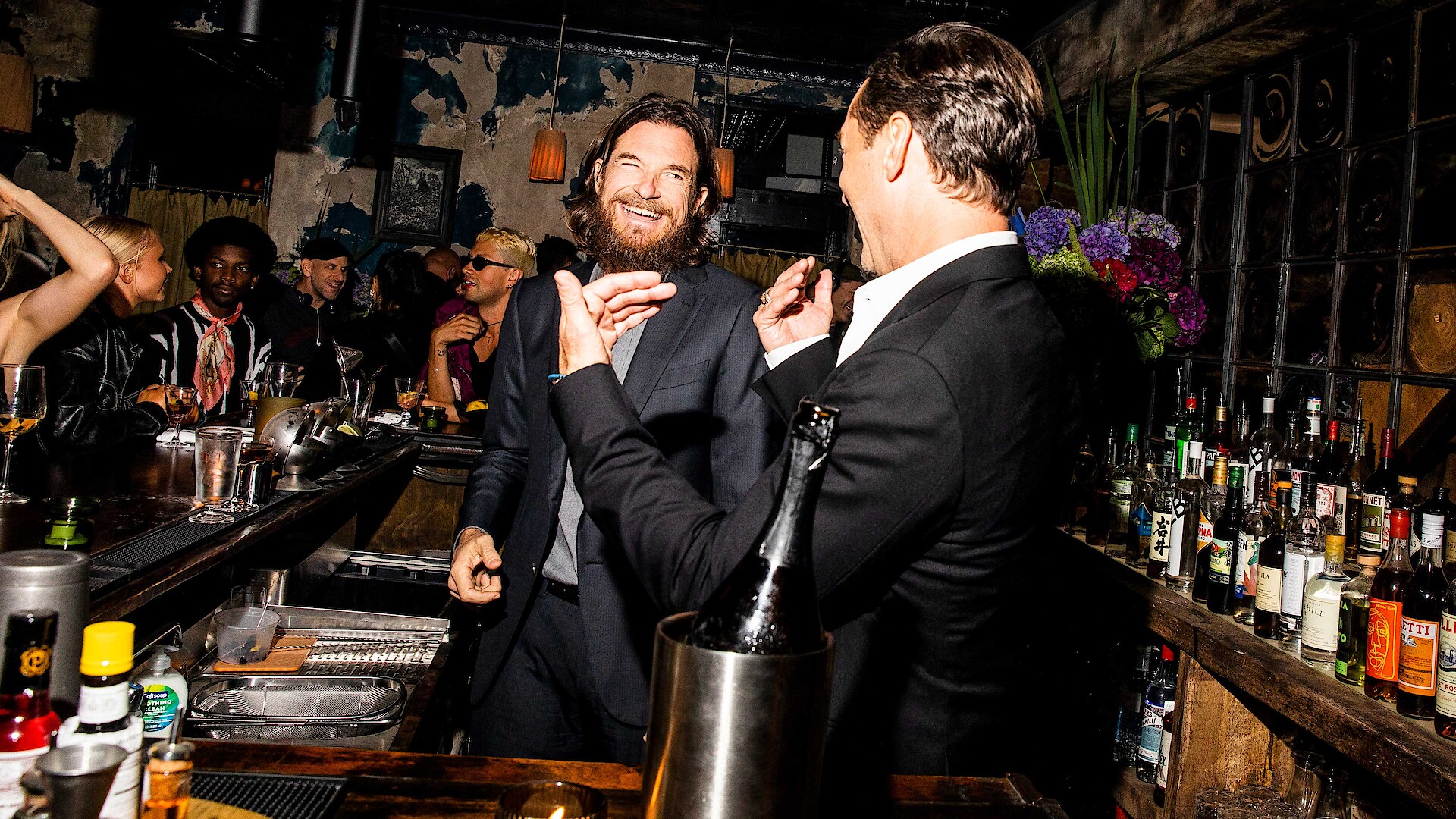
So… Is Black Rabbit a Flop?
It’s rare to see such a unified wave of criticism hit a Netflix release so quickly. Even high-profile misfires like Cowboy Bebop or Jupiter’s Legacy had defenders arguing for their redemption. With Black Rabbit, however, the tone has been startlingly consistent: good performances, intriguing premise, but weighed down by sluggish writing and clumsy execution.
Still, as history shows, audience reception can sometimes defy critics. You and 13 Reasons Why were panned by reviewers only to become massive cultural talking points. Netflix thrives on conversation — even when it’s outrage.
So perhaps the real test for Black Rabbit won’t be whether critics warmed to it, but whether viewers keep watching long enough to push it into the streamer’s Top 10 charts.
Final Verdict
Black Rabbit was meant to be Netflix’s prestige noir event of the season — a cocktail of family drama, New York grit, and star wattage. Instead, it’s become the latest lightning rod for debate, savaged for its pacing and predictability, but salvaged somewhat by Bateman’s scene-stealing charisma.
It may never be hailed as a masterpiece, but in a crowded streaming market where buzz is currency, even bad press is good press.
And for Netflix, that might just be enough.