
🔥 NETFLIX STRIKES AGAIN: THE TRUE-CRIME DOCUSERIES THAT SHATTERS VIEWERS’ NIGHTS
Netflix has done it again — delivering a gripping, heart-wrenching, and disturbingly addictive docuseries that has already left viewers sleepless after just the first episode. The series, Who Killed Little Gregory?, chronicles the mysterious unsolved murder of four-year-old Grégory Villemin in France in 1984, a case that has haunted the nation for over three decades.
Fans and critics alike report watching the first episode at midnight, only to look at the clock and find it 5 AM — a testament to the series’ ability to pull audiences into a twisting, maddening narrative that refuses to let go.
“Every episode hits harder than the last: dead ends, shocking leads, impossible setbacks, and a family refusing to give up when the system fails them,” an early reviewer stated.
I. The Tragic Story of Grégory Villemin
On October 16, 1984, Jean-Marie and Christine Villemin reported the disappearance of their four-year-old son, Grégory, to the police at 5 PM. Just thirty minutes later, Grégory’s uncle, Michel, received a chilling anonymous phone call informing him that Grégory had been kidnapped and dumped in the Vologne River.
Searchers quickly discovered Grégory’s body, bound at the hands and feet, face covered by a woolen hat, drowned in the river — an image that shocked France and remains etched in public memory. The incident became an international headline, exposing the family to public scrutiny, media frenzy, and decades of unresolved pain.
The following day, the Villemins received an anonymous letter claiming responsibility, suggesting revenge as the motive. From the outset, the case combined elements of a true-crime nightmare: mysterious threats, family suspicion, and the cruel murder of an innocent child.
II. Early Investigation: Family Tensions and Accusations
The investigation quickly turned inward. Initial suspicions fell upon Bernard Laroche, Grégory’s second cousin, based on the testimony of his fifteen-year-old sister-in-law, Murielle Bolle. However, Bolle later retracted her statement, claiming police coercion, leaving the case mired in confusion and controversy.
Grégory’s father, Jean-Marie, publicly vowed vengeance against Laroche, who was later shot dead by Jean-Marie in 1985. He was sentenced to five years in prison for the act but served only two and a half. Meanwhile, Grégory’s mother, Christine, who was heavily pregnant at the time, faced accusations of having written the anonymous letters. Christine collapsed during questioning and tragically miscarried one of her twins.
“The family’s nightmare was compounded by a system that seemed to fail them at every turn,” a French legal analyst explained.
These events set the tone for decades of public fascination, legal drama, and a story that continues to grip the world today.
III. Reopening the Case: DNA Testing and New Leads
Over the past three decades, multiple attempts have been made to solve the case. In 2000, the case was reopened for DNA testing of the anonymous letter, though results proved inconclusive. Further testing in 2008 of the rope, letters, and other evidence also failed to produce a definitive answer.
In 2013, additional DNA analysis on Grégory’s clothing remained inconclusive, frustrating investigators and the family alike. Despite modern forensic advancements, the case stubbornly resisted closure.
IV. The 2017 Arrests: New Evidence, Old Wounds
In 2017, investigators made three arrests based on new evidence: Grégory’s great-uncle, great-aunt, and an aunt by marriage. The aunt was later released, while the great-uncle and great-aunt remained silent during ongoing investigations.
Murielle Bolle, the teenager who had originally implicated Laroche, was also arrested but released after 36 days. That same year, Jean-Michel Lambert, the magistrate leading the investigation, tragically committed suicide, citing pressure from the reopened case in a heartbreaking note.
Bolle later published a book, Breaking the Silence, reiterating her innocence and that of Laroche, while accusing the police of coercion during the original investigation. Her account added yet another layer to the already complex and tragic narrative.
V. Netflix’s Docuseries: Who Killed Little Gregory?
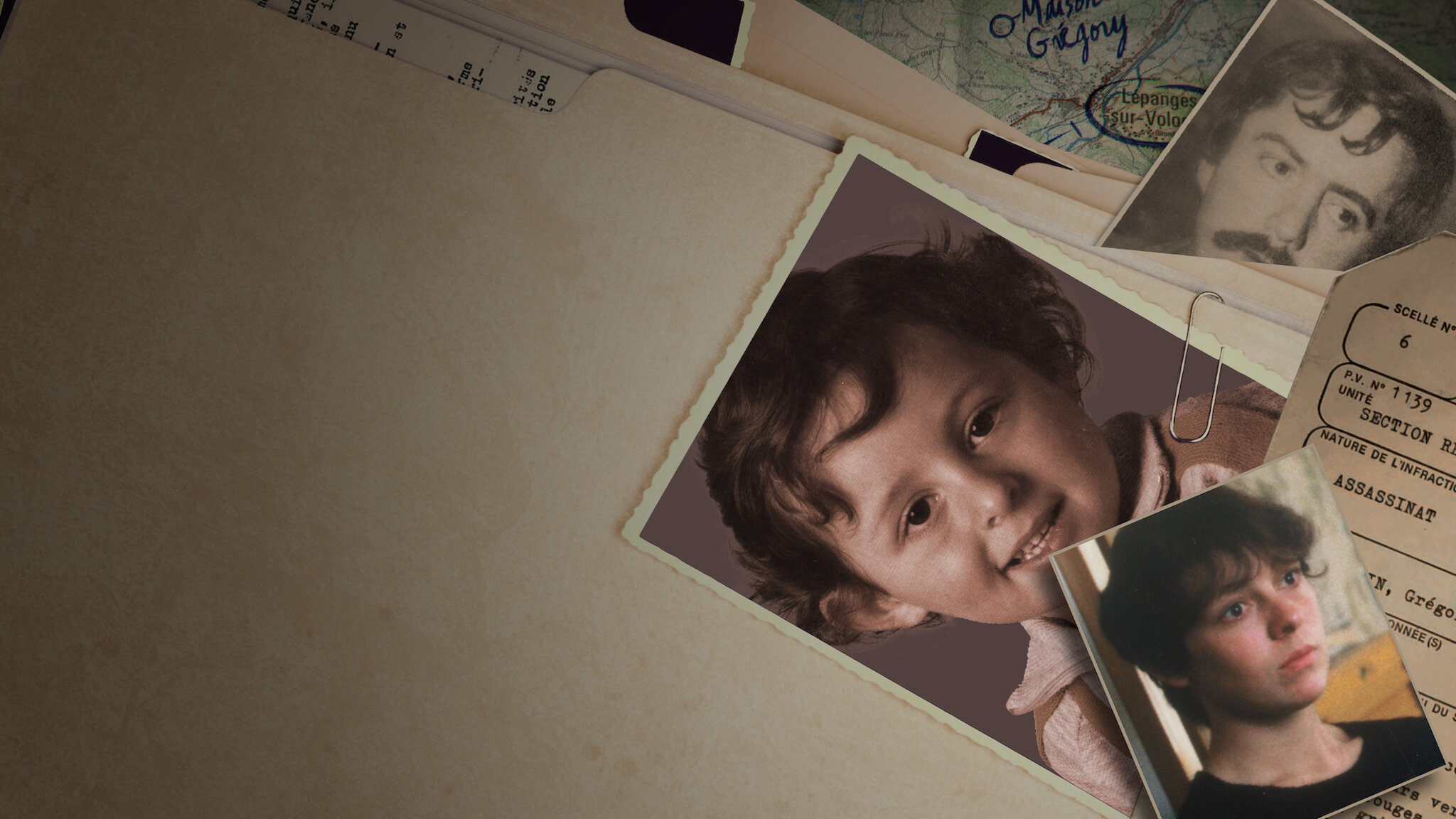
Produced by Élodie Polo Ackermann (Lagardère Studios) and directed by Gilles Marchand, with contributions from journalist Patricia Tourancheau, the new docuseries takes viewers through five one-hour episodes, retracing the murder and the subsequent investigation.
The series carefully blends archival footage, interviews with experts, press clippings, and first-hand accounts, creating an immersive experience that is as chilling as it is compelling. A trailer released by Netflix shows alternating images of Grégory’s adorable face, anxious family members, and the ominous Vologne river, leaving viewers with a palpable sense of dread and heartbreak.
Netflix’s official description promises:
“When their 4-year-old son is murdered, a young couple fights a twisting and arduous battle trying to identify a frustratingly elusive killer.”
Fans and critics alike describe it as redefining true-crime storytelling, gripping the audience’s heart while shattering nerves and refusing to let go.

VI. Public Reaction: France and Beyond
The case, already famous in France, has garnered international attention thanks to Netflix’s global reach. Fans and social media users have reacted with horror, empathy, and fascination, sharing clips, commentary, and tributes to Grégory.
“I couldn’t sleep after episode 1,” tweeted one viewer. “The story is devastating but brilliantly told. My heart goes out to Grégory’s family.”
Analysts note that the series is not just a crime story — it’s a psychological exploration of grief, obsession, and the search for justice in a system that repeatedly failed the innocent.
VII. The Ongoing Mystery: Who Killed Little Gregory?
Despite decades of investigation, arrests, and trials, the killer of Grégory Villemin remains unidentified. Conflicting testimonies, coerced confessions, and procedural errors have left the case unsolved, keeping France and the world fascinated and horrified.
Legal experts emphasize the importance of preserving evidence and re-examining past testimony in light of modern forensic techniques. Meanwhile, the Netflix docuseries ensures the case remains in public consciousness, prompting new discussions, theories, and renewed interest in justice for Grégory.
VIII. The Human Cost
Beyond the legal complexities, the case highlights the devastating impact on a family torn apart by grief and suspicion. Jean-Marie Villemin’s act of vengeance, Christine’s miscarriages, and Murielle Bolle’s lifelong struggle with public scrutiny demonstrate the profound psychological and emotional toll of the case.
Experts note that generational trauma, media exposure, and societal pressure have made the Villemin family case a cautionary tale of human suffering intertwined with legal and investigative challenges.
IX. Comparisons to Other True-Crime Series
Netflix has been increasingly successful in producing true-crime series that captivate audiences worldwide. Who Killed Little Gregory? is being compared to series like:
-
Making a Murderer
-
The Staircase
-
Don’t F**k With Cats
The common thread: complex mysteries, flawed investigations, and families struggling with unimaginable loss.
However, critics argue that the French case, spanning over three decades, presents a unique depth and historical weight, making it one of the most compelling international true-crime stories of recent memory.
X. The Cultural Impact
The story of Grégory Villemin has left an indelible mark on French culture. From newspapers to documentaries, the case has shaped public understanding of child safety, media ethics, and the justice system. The Netflix series is expected to renew debate, attract new generations to the case, and spark discussions about systemic failures that allowed the tragedy to persist unsolved for so long.
French journalists have praised the series for its careful, respectful approach, blending storytelling with investigative rigor. As one commentator wrote:
“The documentary doesn’t sensationalize — it humanizes the grief and obsession that has defined the Villemin family for decades.”
XI. What Comes Next?
While the case remains unsolved, renewed interest due to Netflix’s docuseries could lead to:
-
Fresh investigative leads.
-
Re-examination of past evidence with modern DNA techniques.
-
New witness testimonies from previously silent family members or acquaintances.
Legal analysts remain cautiously optimistic, noting that public attention can sometimes catalyze breakthroughs, especially when cold cases are revisited with global scrutiny.
XII. Conclusion: A Chilling Reminder of Justice and Loss
Who Killed Little Gregory? is more than a docuseries — it is a cultural event, a legal examination, and a human story. Netflix has managed to transform a decades-old tragedy into a compelling narrative that grips viewers, shreds nerves, and refuses to let go.
For over thirty-four years, the Villemin family has sought answers, justice, and closure. While the case remains officially unsolved, the series ensures that Grégory’s story will not be forgotten, keeping global attention on a chilling mystery that continues to haunt France and the world.
“If you think you’ve seen intense documentaries before… think again. This one rewrites the rules.”
Available now on Netflix.