
Novak Djokovic at 38: From War-Torn Streets to Global Icon – Still Fighting for Tennis in Shanghai 2025
Novak Djokovic at 38: From War-Torn Streets to Global Icon – Still Fighting for Tennis in Shanghai 2025
🎾 From Humble Beginnings in Serbia to Global Stardom
Novak Djokovic’s story is one that almost defies belief. Born in Belgrade in 1987, his childhood was shaped not by stability but by chaos, as NATO bombs thundered across the Serbian sky during the Balkan conflicts. While other children played safely in parks, young Novak practiced tennis in abandoned swimming pools, with broken racquets and makeshift balls. He often tells stories of carrying his racket through sirens and explosions, a reminder that tennis was never just a game for him—it was survival, escape, and hope. His family sacrificed everything, scraping together what little money they had to invest in his training. Even as bombs fell, Novak dreamed of Wimbledon. That dream, against all odds, kept him alive.
🌍 The Rise of a Relentless Competitor
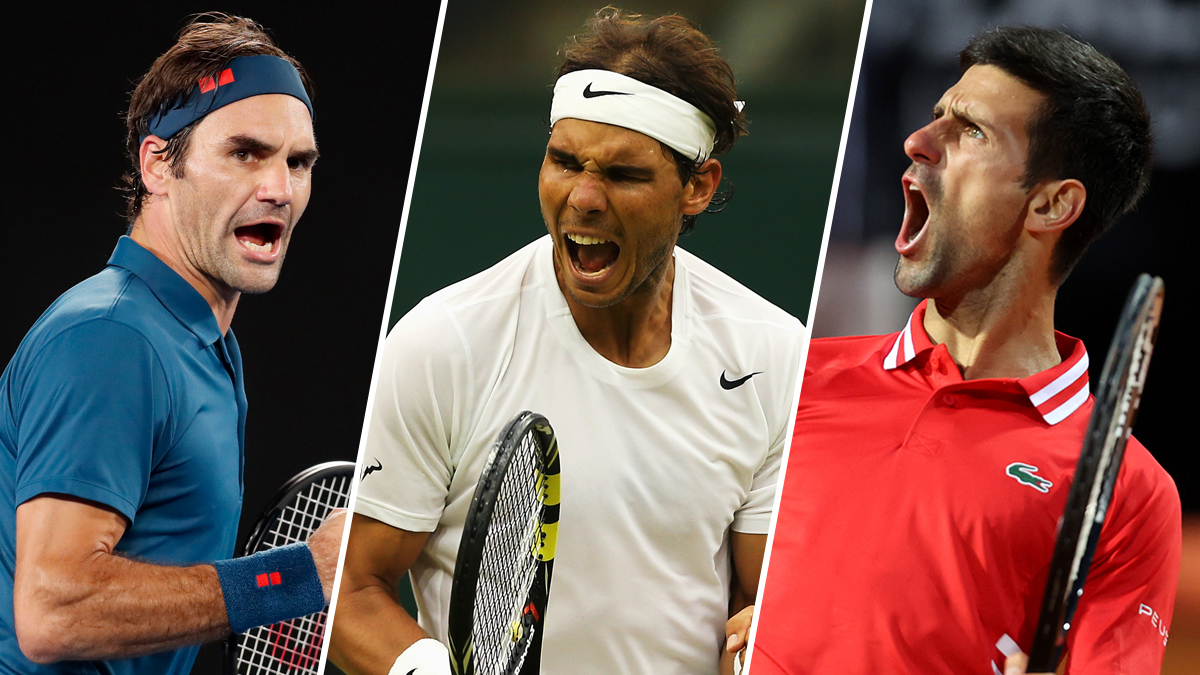
Breaking into the professional scene in the early 2000s, Djokovic was often seen as the outsider. With Federer’s artistry and Nadal’s warrior-like grit dominating headlines, few believed the skinny kid from Serbia could rewrite tennis history. He faced asthma problems, recurring injuries, and constant ridicule from critics who claimed he would “never last five sets.” But Djokovic refused to be defined by limitations. He worked tirelessly, overhauling his diet, embracing yoga and meditation, and pushing his body beyond limits. Slowly but surely, he built himself into a machine of precision and endurance. He wasn’t just challenging Federer and Nadal—he was preparing to dethrone them.
🏆 Breaking the Federer–Nadal Stronghold
By 2011, Djokovic wasn’t just knocking on the door—he was kicking it down. That year, he produced one of the greatest seasons tennis has ever seen, winning 10 titles, including three Grand Slams. Federer and Nadal, once untouchable, suddenly looked human when facing Novak’s impenetrable defense and lightning-fast returns. His backhand down the line became a weapon, his flexibility and sliding on hard courts a nightmare for opponents. Commentators began to call him “the elastic man” and “the wall.” But it wasn’t just his game that was changing; it was tennis itself. Djokovic’s arrival marked the end of a comfortable duopoly and the beginning of a brutal trinity that defined an era.
💪 The Fighter Who Thrived on Adversity
Djokovic’s career is proof that adversity doesn’t break champions—it shapes them. In hostile arenas, where Federer or Nadal would be cheered, Novak was often booed. The U.S. Open crowds jeered him, French fans whistled at him, and Wimbledon sometimes treated him like an intruder in Federer’s garden. Instead of collapsing, Djokovic turned negativity into fuel. “The more they boo, the better I play,” he once said, smiling through the noise. It was his mental steel, not just his talent, that made him invincible. He relished the role of underdog-turned-villain, proving that greatness doesn’t need universal love—it only needs unshakable belief.
❤️ A Man of Faith and Family
Off the court, Djokovic is more than the fierce competitor the world sees. He often speaks about his Serbian heritage, his Orthodox faith, and the grounding influence of his family. His marriage to Jelena and the birth of his children brought balance to a career that could have consumed him entirely. He credits meditation, spirituality, and yoga for keeping him focused amid chaos. While rivals often kept private lives in the background, Novak openly celebrated his family moments, carrying his children onto courts after major wins. For him, every trophy is not just personal—it is dedicated to those who endured his journey with him.
🎓 Philanthropy and the Djokovic Foundation
If Djokovic’s tennis legacy is carved in titles, his humanitarian legacy is carved in children’s futures. The Novak Djokovic Foundation, founded in 2007, has poured millions into education programs across Serbia and beyond. Focused on early childhood development, the foundation has built schools, trained teachers, and created opportunities for thousands of underprivileged kids. For Novak, the mission is deeply personal: he knows what it means to grow up with nothing. Critics may argue about his on-court antics, but few can question the sincerity of his philanthropic work. Djokovic insists, “Winning Grand Slams is important, but helping children is my biggest victory.”
⚡ Controversies That Tested His Resolve
No great career is free of storms, and Djokovic’s has seen plenty. His disqualification from the 2020 U.S. Open after accidentally striking a line judge with a ball made headlines around the world. His refusal to be vaccinated against COVID-19 led to the infamous 2022 Australian Open deportation, turning him into a polarizing figure overnight. Critics painted him as arrogant, reckless, even dangerous. But Djokovic, true to form, weathered the storm. He returned later that year to win Wimbledon, silencing detractors once again. His resilience proved a defining trait—no controversy, no ban, no setback could keep him down for long.
🎤 The Voice of the Players
Unlike many superstars who stay silent on tennis politics, Djokovic has never shied away. He co-founded the Professional Tennis Players Association (PTPA) to advocate for better pay and conditions for lower-ranked players. While Federer and Nadal opposed it, Novak stood firm, believing the sport needed reform. For some, this made him divisive; for others, it made him a hero willing to fight battles beyond his own. Djokovic’s insistence on fairness—even if unpopular—reflects his character. He isn’t content with personal records; he wants tennis to evolve into a sport that supports everyone, not just its elite.
🏟️ Shanghai 2025: Still Here, Still Fighting
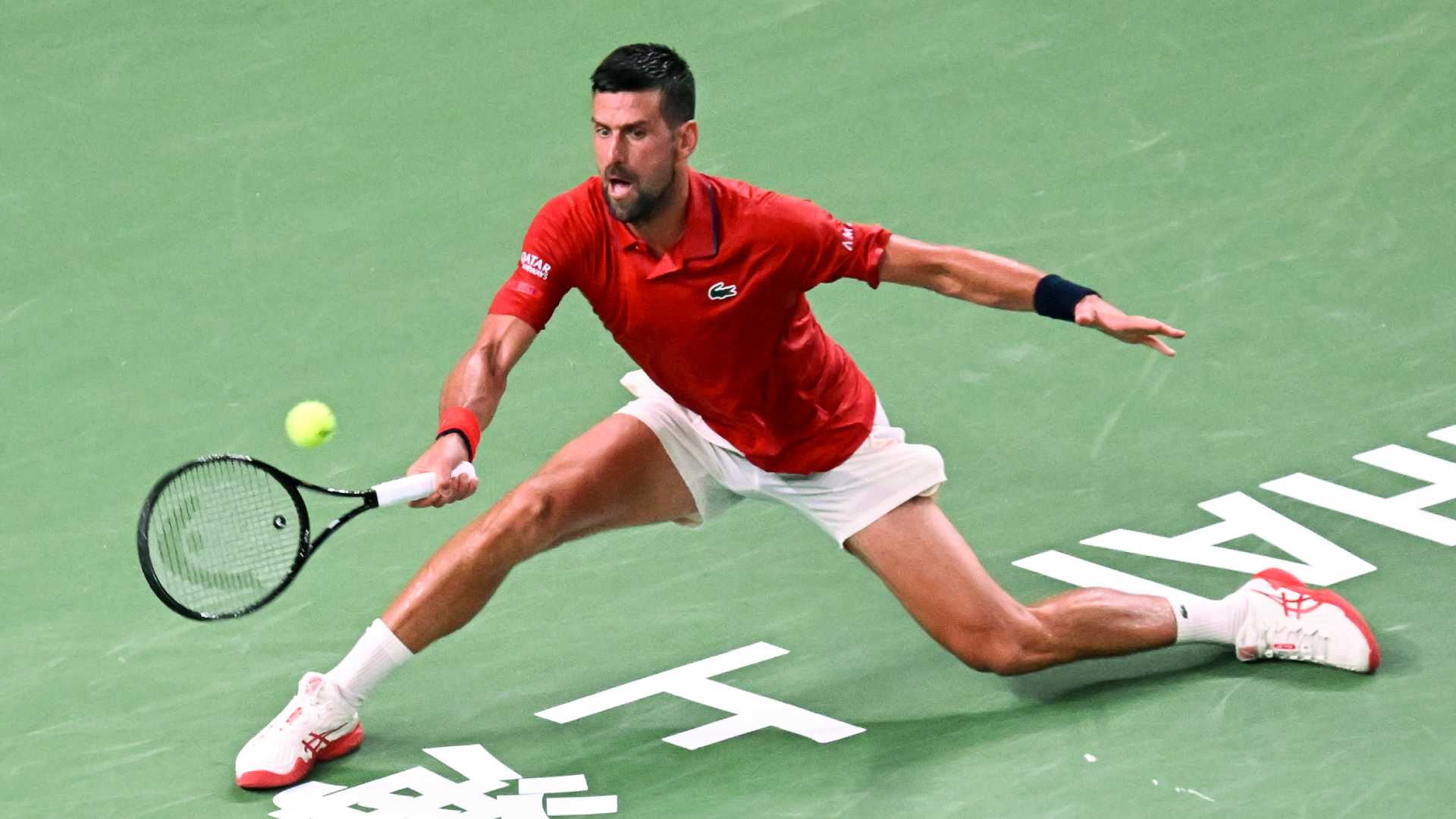
Fast forward to 2025, and Djokovic is still on the tour—still grinding, still winning, still inspiring. At 38, when most legends are enjoying retirement, he is competing in the Shanghai Masters, chasing not just titles but purpose. His presence in China is symbolic: proof that his passion hasn’t dimmed. Younger players like Carlos Alcaraz and Jannik Sinner may be rising, but Djokovic is still there, a constant reminder that greatness doesn’t expire with age. Every match he plays now feels like history in motion, a gift to fans who never thought they’d see this longevity.
🔥 The Longevity of a Legend
What makes Djokovic’s longevity possible? The answer lies in discipline. His gluten-free diet is famous, his training regimen legendary, and his mental routines unmatched. He has transformed his body into a finely tuned instrument capable of enduring marathon matches even at nearly 40. Sports scientists have studied him as a model of peak human performance. His ability to adapt—whether it’s sliding on hard courts or outlasting 5-hour epics—has made him more than a tennis player. He is a living experiment in the science of resilience.
👑 Chasing Records, Cementing Legacy
Djokovic’s 24 Grand Slams already make him the most decorated male tennis player in history. But for him, records are stepping stones, not destinations. He often says that trophies are “chapters, not the whole book.” What matters to him now is how he will be remembered when he finally leaves the court. Will he be remembered as the villain of Federer’s era, or the man who redefined what was possible in sport? With every victory in his late 30s, Djokovic is rewriting his own legacy—shifting from record-chaser to living legend.
🌟 The Inspiration for Future Generations
Young stars like Alcaraz, Sinner, and Rune often mention Djokovic as the gold standard. They admire not only his technical brilliance but his mental strength. His mentoring sessions during tournaments, his willingness to train with younger players, and his openness in sharing wisdom reflect a man who now sees himself as a bridge between eras. For the next generation, Djokovic is both rival and role model—a paradox only the greatest can embody.
🕊️ From Villain to Hero?
For years, Djokovic was the villain, cast against Federer’s elegance and Nadal’s grit. Crowds adored his rivals but often mocked him. Yet time has a way of reshaping narratives. As Federer has retired and Nadal nears the end, Djokovic remains standing—carrying tennis forward. Slowly, fans are realizing that the man they once booed has become the man keeping tennis alive. The villain is, in many ways, the last hero left on the stage.
🔥 Still Hungry, Still Human
Djokovic’s tears after finals remind us he is not just a machine. Despite decades of dominance, he still feels nerves, still cries with joy and heartbreak. At 38, he plays not to silence critics but to honor his passion. His story has transcended sport; it is about resilience, love, and the pursuit of meaning. He embodies the truth that greatness is not perfection—it’s persistence, humanity, and hunger that never dies.
🌍 The Legacy Beyond Tennis
As Djokovic fights on in Shanghai, one thing is clear: his impact stretches far beyond tennis courts. He is a global symbol of endurance, of turning hardship into strength, of finding purpose beyond fame. Whether building schools in Serbia, mentoring the next generation, or defying age on the court, Djokovic proves that true greatness is measured not in trophies but in the lives you touch. At 38, he is no longer just chasing wins—he is building a legacy that may outlast them all.