
Shocking Videos Rock Europe: Masked British “Vigilante” Groups Slash Migrant Boats on French Beaches, Pushing the Channel Crisis Into a Dangerous New Phase
A series of rapidly spreading videos over the past few days has ignited outrage across Europe, after masked groups identifying themselves as British “self-defence” activists were filmed storming beaches in northern France, slashing inflatable boats intended for migrant crossings and chanting the slogan “Not one more.”
The footage has shocked audiences not only because of its raw violence, but also due to its openly extremist messaging and cross-border nature. Observers warn that the long-running migration crisis in the English Channel may now be entering an unprecedented and far more dangerous chapter.
From Viral Clips to a Wave of European Outrage
Media analysts say that within just 48 hours, the videos had been reshared tens of thousands of times across multiple social platforms. The clips show English-speaking men with covered faces, armed with knives or sharp tools, approaching inflatable dinghies placed on French beaches and deliberately slashing their hulls before they could be used for Channel crossings.
Several of the individuals filmed the acts themselves, openly declaring they were part of a campaign they call “Operation Stop The Boats.” According to their own statements, they believe they are “doing what governments refuse to do” by preventing irregular migration.
The speed and scale of the videos’ spread prompted immediate backlash. Human-rights organisations, European politicians, and security analysts warned that these scenes represented not online extremism, but real-world violence, with potentially lethal consequences.
“Operation Stop The Boats” and Calls That Cross the Line of Law
The groups involved have shown no hesitation in escalating their rhetoric. On social media, they openly call on British men to travel to France to “take action,” even appealing directly to football hooligan groups known for organised violence.
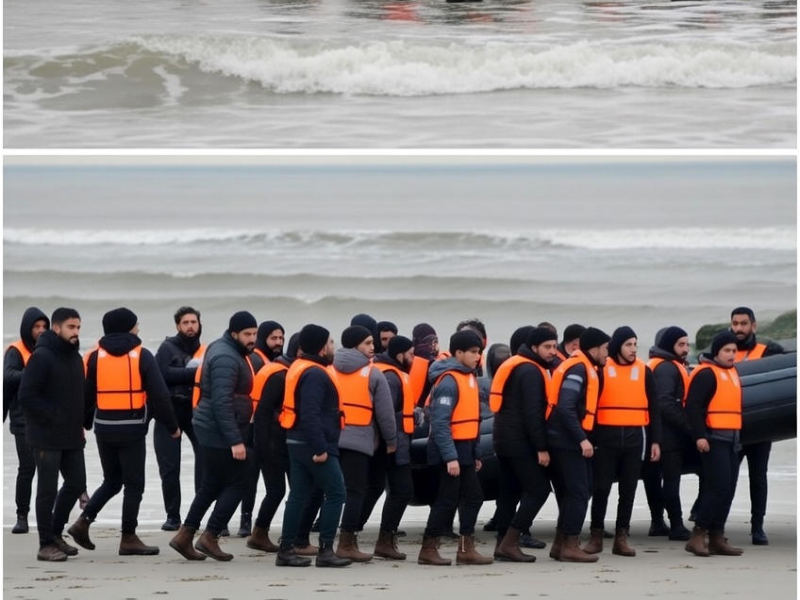
In one widely circulated video, reportedly filmed on France’s northern coast, two men use overtly militaristic language, comparing their actions to Britain’s wartime resistance during World War II. One declares:
“Just like in the 1940s, it’s time for English men to stand up.”
The other condemns the British government as “weak” and accuses it of abandoning border control, urging viewers to “gather your mates, gather your firms” and join them.
Self-Proclaimed “Patriots” and Unsubstantiated Claims
In other clips, the men describe themselves as “patriots” while filming acts of destruction, including stomping on and smashing boat engines. Alongside these actions, they make a series of unsupported claims, alleging that they are preventing “rapists” and “murderers” from entering Britain.
Experts warn that this type of rhetoric is particularly dangerous. “When groups begin to assign criminal identities to entire populations and take enforcement into their own hands, that is a classic indicator of extremist escalation,” said one European security researcher.
UK Government Under Pressure as France Launches Criminal Investigation
Migration across the English Channel has been a politically sensitive issue in the UK for years. Official figures show that crossings by small boats have reached record levels again this year, intensifying pressure on the British government.
Following the release of the videos, UK Home Secretary Shabana Mahmood acknowledged that the system is “out of control and unfair,” announcing a package of asylum policy reforms. However, she strongly condemned vigilante actions, stressing that “no individual or group has the right to enforce the law outside legal frameworks.”
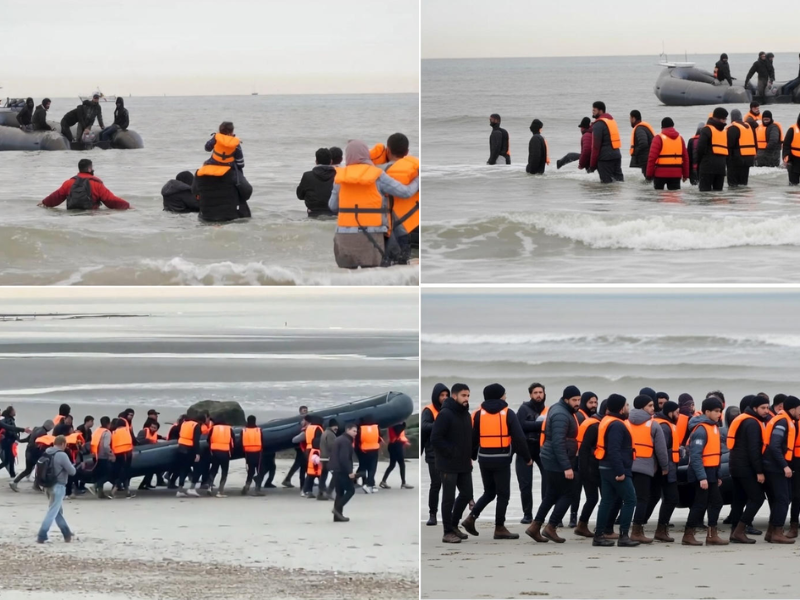
Across the Channel, French media confirmed that the Dunkirk Public Prosecutor’s Office has opened a preliminary investigation into suspected “aggravated violence against migrants,” allegedly carried out by British far-right actors.
Among the incidents under review is an allegation that in September, four men waving British flags verbally and physically assaulted migrants on the French coast, stole belongings, and told them they were “not welcome in England.”
“Operation Overlord” and Alarming Signs of Escalation
Adding to concerns, some recent videos have been labelled “Operation Overlord” — a direct reference to the Allied invasion of Normandy during World War II. In these clips, individuals are seen not only slashing boats but deliberately destroying engines, claiming they are “physically stopping the crossings.”
Analysts say the use of wartime symbolism is deliberate. “It reframes illegal violence as heroic defence,” one extremism specialist explained. “That psychological framing lowers moral barriers and legitimises further escalation in the minds of supporters.”
Not the First Incident — But the Stakes Are Higher Than Ever
This is not the first time anti-migrant activists have travelled to France to take matters into their own hands. Earlier incidents near Calais involved migrants being woken while sleeping, having strobe lights shone in their faces, and being shouted at and threatened.
What makes the current situation fundamentally different, experts say, is the direct destruction of vessels. If damaged boats are later used unknowingly, the risk of fatal accidents at sea increases dramatically.
“This is no longer harassment,” said one humanitarian worker. “This is behaviour that could directly cause deaths.”
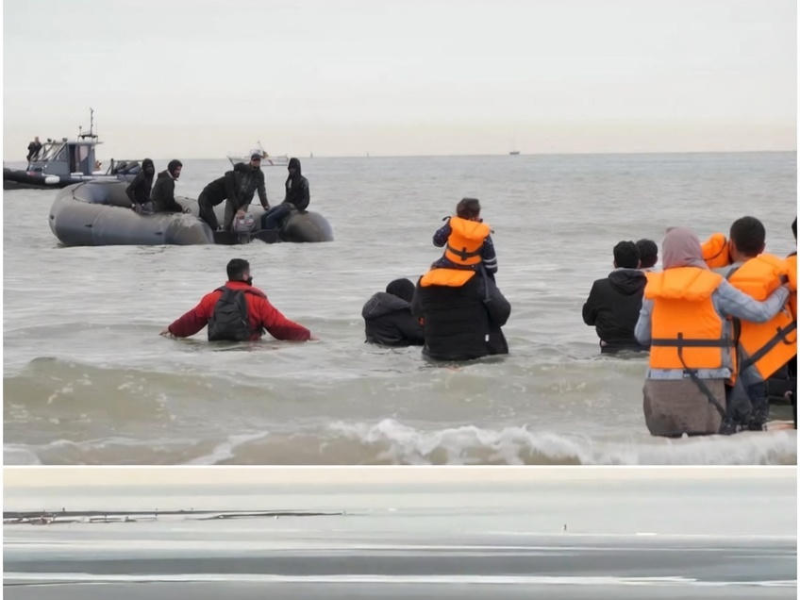
European Fears of a Dangerous Precedent
Human-rights groups across Europe have warned that allowing such actions to go unchecked would set a dangerous precedent. “If vigilante groups feel empowered to intervene violently in migration routes, the rule of law is at risk,” one organisation stated.
Several Members of the European Parliament have called for tighter cross-border coordination and swift legal action against those inciting or committing violence abroad.
Social Media as an Accelerator of Extremism
Authorities are also increasingly alarmed by the role of social media. The videos were shared openly, accompanied by fundraising appeals and calls to action, creating a feedback loop of visibility and radicalisation.
“This is violence being gamified,” said a digital-media analyst. “Engagement metrics reward outrage, and that can push individuals toward more extreme acts to gain attention.”
A New, Unstable Chapter in the Channel Crisis
What began as a humanitarian and policy challenge now risks devolving into civilian confrontation and radical vigilantism. Security experts warn that without decisive intervention by both the UK and France, such incidents could escalate into wider violence or even diplomatic strain.
Meanwhile, the people most affected — migrants seeking refuge — remain exposed to growing danger, hostility, and politicised hatred far beyond their control.
The Channel crisis is no longer solely about borders and policy. It has become a test of Europe’s commitment to law, humanity, and stability at a moment of profound uncertainty.