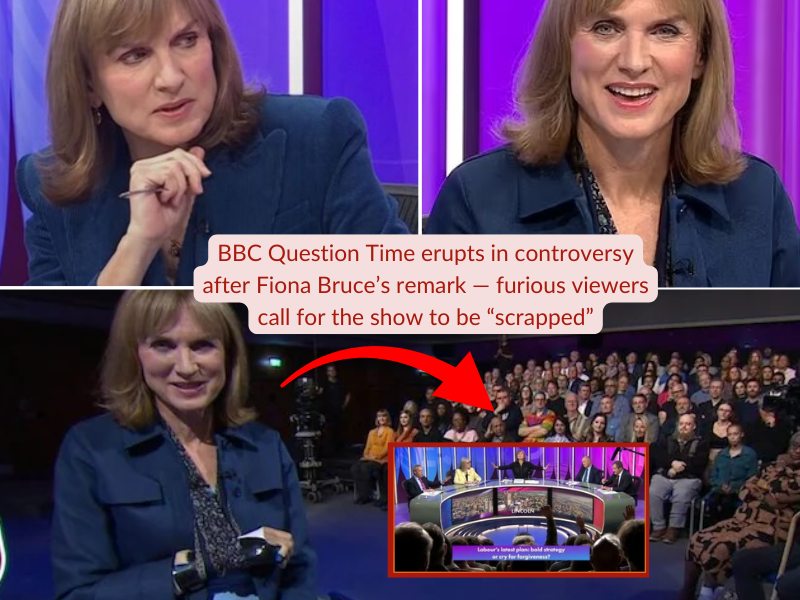
BBC Question Time Faces Fierce Backlash: Fiona Bruce’s Remark Sparks an Unprecedented Wave of Outrage
The BBC’s long-running political debate programme Question Time has found itself at the centre of renewed controversy following remarks made by host Fiona Bruce during a recent episode filmed in Paisley, Scotland. What began as a routine discussion quickly escalated into a wider public backlash, with some viewers accusing the programme of political bias and questioning its future on British television.
The episode, which marked the final broadcast of Question Time for the year, featured a panel that included Stephen Flynn, Anas Sarwar, Russell Findlay, Angela Haggerty and Lord Offord. While debates on immigration, public services and national identity were expected to provoke strong reactions, it was a brief on-air comment by Bruce that appeared to ignite the most intense response.
A Comment That Triggered a Storm
During the discussion, Fiona Bruce remarked that moderating the debate was “hard work,” adding that she had “struggled to get a word in edgeways” amid the panel’s exchanges. Although the comment was brief and appeared to be light-hearted, some viewers interpreted it as revealing frustration or partiality, particularly given the direction of the discussion at that point in the programme.
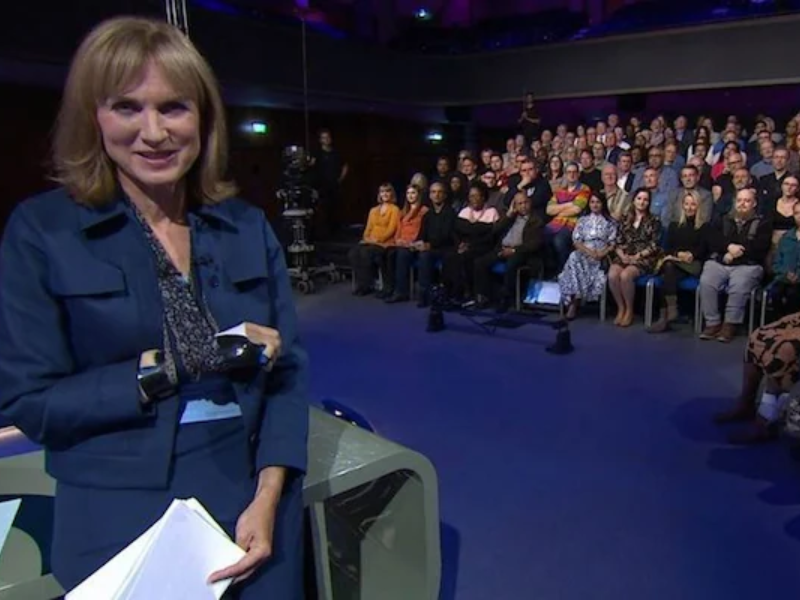
Within minutes of the broadcast ending, social media platforms were flooded with reactions. On X (formerly Twitter), Facebook, and other forums, viewers expressed sharply divided opinions. While some defended Bruce and praised her handling of a difficult panel, others accused her of losing neutrality — a core expectation for a BBC political moderator.
Accusations of Bias and Calls for Change
A number of critical viewers claimed that Question Time had drifted away from its traditional role as a balanced forum for political debate. Some argued that the programme’s format now amplifies confrontation rather than constructive discussion, while others accused the show of repeatedly inviting panelists who represent extreme or polarising views.
One widely shared post read:
“This is blatant bias. The show no longer represents balanced debate — it’s become unwatchable.”
Another viewer wrote:
“Question Time has lost its way. Fiona Bruce isn’t neutral anymore, and the BBC needs to address this.”
More extreme reactions went further, with some calling for the programme to be cancelled altogether. Hashtags calling for the show to be “scrapped” trended briefly following the episode, highlighting the depth of frustration among certain segments of the audience.
Defenders Push Back
Despite the backlash, many viewers came to Fiona Bruce’s defence, arguing that moderating a heated political debate has become increasingly challenging in today’s polarised climate. Supporters pointed out that interruptions, raised voices, and overlapping arguments are now common features of political discussion programmes across broadcasters, not just the BBC.
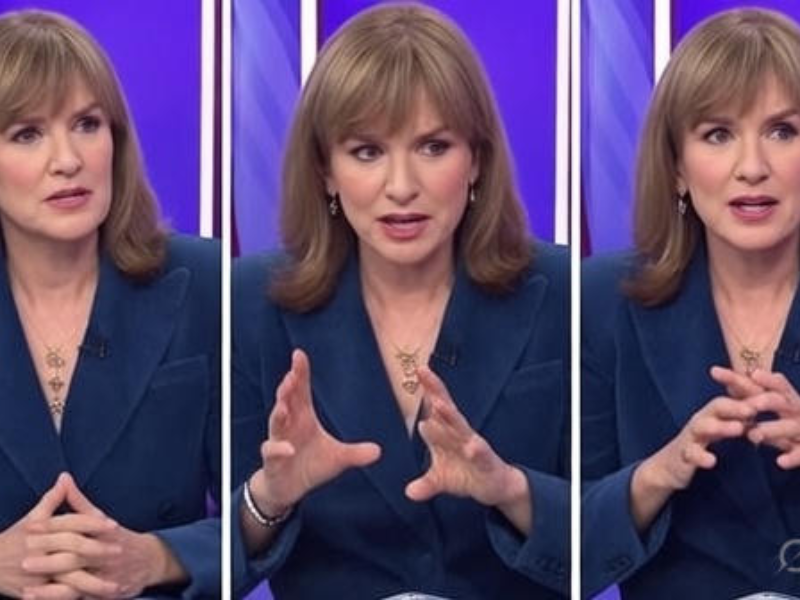
Several commentators noted that Bruce’s remark reflected the reality of live broadcasting rather than any political stance. One supportive viewer posted:
“Live debate is messy. Fiona Bruce is doing her job under intense pressure. Criticism has gone too far.”
Others praised her for attempting to maintain order and give space to all panelists despite frequent interruptions.
A Programme Under Growing Pressure
This is not the first time BBC Question Time has faced criticism over alleged bias. In recent years, the programme has repeatedly been accused — often by opposing sides simultaneously — of favouring particular political viewpoints. Media analysts note that such accusations may reflect broader public distrust of institutions rather than any single editorial decision.
The BBC itself has long maintained that Question Time operates under strict editorial guidelines designed to ensure fairness, balance, and impartiality. However, critics argue that audience perception is increasingly shaped by emotion rather than policy, making it harder for traditional broadcasters to maintain public confidence.
The Role of Social Media in Amplifying Outrage
Media experts suggest that the intensity of the reaction to the Paisley episode was amplified by social media dynamics. Short video clips, isolated quotes, and emotional commentary can quickly circulate without full context, escalating controversy far beyond the original broadcast.
“What once would have been a minor moment is now magnified into a national debate within minutes,” said one media analyst. “This changes how broadcasters are judged and how presenters are scrutinised.”
Immigration Debate Adds Fuel to the Fire
Part of the episode’s controversy stemmed from the subject matter itself. The discussion turned toward immigration and integration, including references to recent reports about language barriers in certain communities. Such topics have proven especially sensitive in the UK’s current political climate, often provoking strong emotional responses from audiences.
Some viewers objected to the inclusion of particular viewpoints on the panel, arguing that similar voices appear too frequently. Others countered that excluding controversial perspectives would undermine the purpose of open debate.
Fiona Bruce’s Role as Moderator
Fiona Bruce, who took over as host of Question Time in 2019, has previously spoken about the challenges of maintaining neutrality while ensuring a lively discussion. Her supporters argue that criticism directed at her often reflects dissatisfaction with the programme’s topics rather than her conduct.
Bruce herself has not publicly responded to the latest wave of criticism. The BBC also declined to comment on individual viewer reactions but reiterated its commitment to impartial journalism and robust debate.
Audience Trust and the BBC’s Balancing Act
The controversy highlights a broader issue facing public broadcasters worldwide: how to maintain trust across increasingly divided audiences. When viewers approach political content with strong pre-existing beliefs, even neutral moderation can be perceived as partisan.
Some critics argue that Question Time should be restructured, possibly by revising its panel selection process or adjusting the format to encourage more measured discussion. Others believe the programme remains an essential platform for democratic debate, even when it provokes discomfort.
What Happens Next?
Despite calls from some quarters to cancel the programme, there is no indication that the BBC plans to end Question Time. The show remains one of the broadcaster’s most recognisable political formats, with a loyal audience and a long history dating back to 1979.
The next episode is scheduled to air in January from Macclesfield, as announced by Fiona Bruce at the end of the Paisley broadcast. Whether the controversy will affect viewership remains to be seen, but media watchers expect scrutiny to remain intense.
A Reflection of a Divided Public
Ultimately, the reaction to Fiona Bruce’s comment may say as much about the state of public discourse as it does about the programme itself. In an era of political polarisation, even small remarks can become flashpoints for broader frustration and distrust.
For now, BBC Question Time continues — caught between competing expectations, rising emotions, and a public increasingly quick to judge. Whether the programme adapts or simply weathers the storm will shape its future role in British political life.