
🕯 When Truth Fights Power: The Fall of Bill Owens and the Storm Inside “60 Minutes”
🕯 When Truth Fights Power: The Fall of Bill Owens and the Storm Inside “60 Minutes”
In the world of television journalism, few programs have defined integrity quite like “60 Minutes.” For decades, it stood as a fortress of truth — unbent, unbought, and unafraid. But in 2025, that fortress shook from within.
When Bill Owens, the longtime executive producer of the legendary CBS newsmagazine, resigned unexpectedly, it sent shockwaves through American media. His departure wasn’t just a career move — it was a silent scream about freedom, power, and the soul of modern journalism.
🔥 The Storm That Had Been Brewing
The cracks began long before the public noticed. Inside CBS, tension was mounting between journalistic independence and corporate control. The network’s parent company, Paramount Global, was preparing for a billion-dollar merger while facing political and legal pressure.
“60 Minutes,” once known for exposing the powerful, suddenly found itself being monitored by the powerful.
Producers whispered about changes — stories being questioned, scripts “reviewed,” language softened. Bill Owens, a veteran who had kept the show’s voice fearless for over a decade, found himself fighting to protect the independence that once defined CBS News.
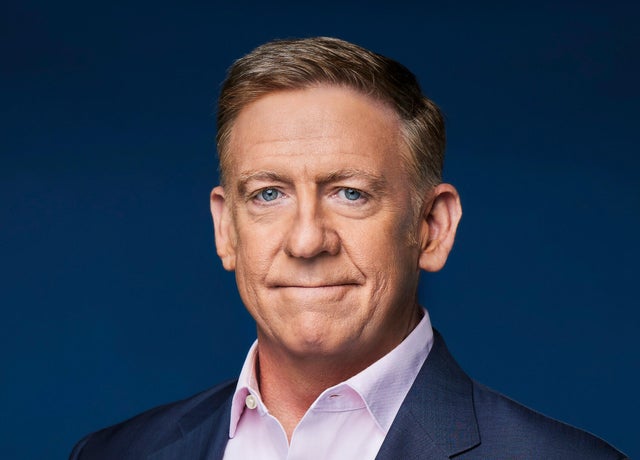
💔 The Resignation That Shook the News World
Then came the email.
On an April morning, Bill Owens informed his team that he was stepping down. In his message, he wrote with clarity and heartbreak:
“It has become clear that I can no longer run the show as I always have — independently, responsibly, and without interference.”
It was not a resignation. It was a statement.
Inside CBS News headquarters, silence fell. For the journalists who had built their lives around truth-telling, Owens’ departure felt like losing their compass.
⚖️ The Battle for Editorial Freedom
Behind closed doors, executives argued that tighter oversight was “business as usual.” But for reporters, it felt like the slow suffocation of editorial freedom.
Owens, who had guided “60 Minutes” through political storms, pandemics, and shifting digital eras, refused to play along.
His exit became a symbol of the larger question haunting modern media: Can journalism stay independent in a world ruled by corporate mergers and political leverage?
👥 Leadership in Collapse
The tremor didn’t stop with Owens. Weeks later, CBS News President Wendy McMahon also resigned, citing “differences in vision.” Within months, the two top news executives were gone — and morale at CBS hit historic lows.
For a network built on credibility, the double exit raised a haunting question: Was CBS still a newsroom… or just another corporate arm?
🕊️ “60 Minutes” Responds — Quietly, but Loudly
A few days later, on air, veteran anchor Scott Pelley addressed the elephant in the room — subtly but unmistakably. His voice steady, he spoke about “changes in oversight” and the “need for editorial independence.”
It was the kind of message only journalists could understand: a coded rebellion broadcast live.
Millions of viewers sensed the tension. For the first time, “60 Minutes” was not just reporting a story — it was the story.
👩💼 The New Face of “60 Minutes”
When Tanya Simon — a respected producer and daughter of the show’s legendary creator — was appointed as the new executive producer, she inherited not just a position, but a battlefield.
Her mission was almost impossible: restore faith, rebuild trust, and balance truth with pressure.
For the journalists who stayed, Tanya’s appointment brought hope — and also fear. Would she protect the legacy of Owens, or would she bend to the system that forced him out?
💸 The Settlement That Changed Everything
Behind the scenes, corporate lawyers moved fast. The network quietly reached a multimillion-dollar settlement in a lawsuit connected to political coverage — a deal that ended public scrutiny but deepened internal frustration.
No one admitted wrongdoing. But to many inside CBS, it felt like a moral defeat. Money had won over integrity.
The message was clear: stay quiet, stay safe, stay employed.
🧱 Integrity vs. Pressure
Owens’ exit laid bare a truth that journalists hate to admit: even truth has bosses.
He once said to a colleague, “If they can control what we air, they can control what the public knows. That’s not journalism — that’s PR.”
Those words now echo across newsrooms everywhere — a reminder that journalism’s greatest battle is no longer against lies, but against silence.
🌐 The Ripple Effect Across Media
The fall of Bill Owens became more than just an internal CBS story. It triggered conversations across the industry — from CNN to BBC — about how corporate ownership shapes storytelling.
In a world where algorithms and advertising dictate coverage, “60 Minutes” became a cautionary tale: what happens when the watchdog starts being watched?
💬 Voices from Inside the Storm
A producer from the show said anonymously:
“The day Bill left, the newsroom went silent. It wasn’t just sadness — it was fear. We all wondered who would be next.”
Veteran anchors echoed the sentiment: “He stood for independence. He fought until they made it impossible to fight.”
🔥 The Moment That Defined “60 Minutes” Again
Ironically, Owens’ resignation reignited public respect for the show he left.
Viewers saw integrity in his defiance. Ratings briefly spiked as audiences tuned in — not for gossip, but to witness real journalists wrestling with real ethics.
Even in departure, Owens had done what “60 Minutes” always promised: he had exposed the truth.
🕊️ The Human Cost of Corporate Journalism
Behind the headlines, there’s a quieter tragedy — the emotional toll on those who believe in truth.
Reporters who once chased corruption now found themselves censored by fear. Young producers whispered that they’d stopped pitching controversial stories because “it’s just not worth it anymore.”
Owens’ departure wasn’t only professional. It was personal — a wound to every journalist who still believes that news should serve the public, not the shareholders.
🧭 What Tanya Simon Must Carry Forward
As the new leader, Tanya Simon faces a near-impossible balance: preserving legacy while adapting to corporate reality.
Those who know her describe her as calm but fierce — a believer in storytelling that still matters.
Her task is not only to save a show but to protect its soul. And that, perhaps, is the hardest assignment of all.

✨ The Legacy of a Fall — and a Fight That Isn’t Over
Bill Owens may have walked away, but he didn’t vanish. His name has become a quiet symbol across newsrooms — the man who said “no” when everyone else said “yes.”
“60 Minutes” continues to air every Sunday night. The stories remain sharp, the tone professional. But something invisible has changed — a tension between what’s said and what’s silenced.
Maybe that’s the new reality of journalism in 2025.
Maybe this is what happens when truth dares to fight power.
Because in the end — it wasn’t just about a show.
It was about the last stand of independent journalism on American television.
📺 And if “60 Minutes” still teaches us anything — it’s that truth will always find its voice, even when the microphones are turned off.