
💔🌹 28 Years After the Tragic Paris Crash — Why Princess Diana’s Death Still Haunts the World
“The People’s Princess.” With those three words, UK Prime Minister Tony Blair captured a grief so deep it shook the foundations of the monarchy. On August 31, 1997, Diana, Princess of Wales, died following a car crash in Paris — and nothing in the royal world, or in global public life, was ever the same again.
The Night Paris Fell Silent
It was past midnight when Diana and her companion, Dodi Al-Fayed, left the Ritz Hotel, pursued by a swarm of paparazzi desperate for a photograph. Their black Mercedes, driven at high speed, entered the Pont de l’Alma tunnel. Moments later, the car slammed into a pillar.
Emergency crews rushed to the scene, but the world’s most photographed woman was gravely injured. She was pronounced dead in the early hours of August 31, at just 36 years old. The shock was immediate, visceral, and global. For millions, it felt impossible: how could a woman so radiant, so alive, be gone in an instant?
A Funeral That Stopped the World
On September 6, 1997, London became the epicenter of collective grief. Over one million mourners lined the streets, while more than 2.5 billion people watched the funeral live on television — one of the largest global broadcasts in history.
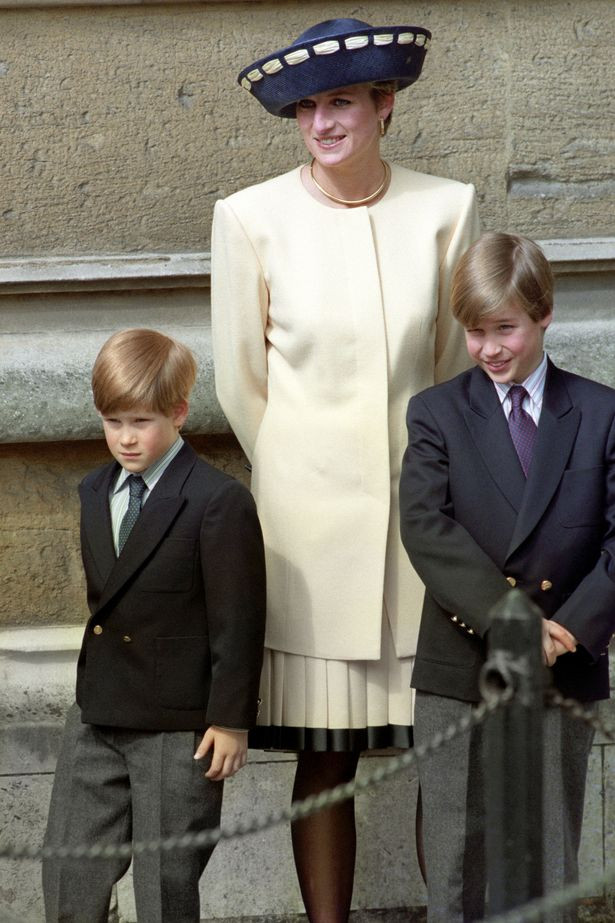
The most unforgettable image was not the sea of flowers carpeting Kensington Palace, nor Elton John’s heartbreaking performance of “Candle in the Wind.” It was the sight of two young boys — Princes William, 15, and Harry, 12 — walking silently behind their mother’s coffin.
The image seared itself into the world’s memory: two grieving sons, forced into the harshest spotlight, embodying both tragedy and resilience.
 A Global Outpouring of Grief
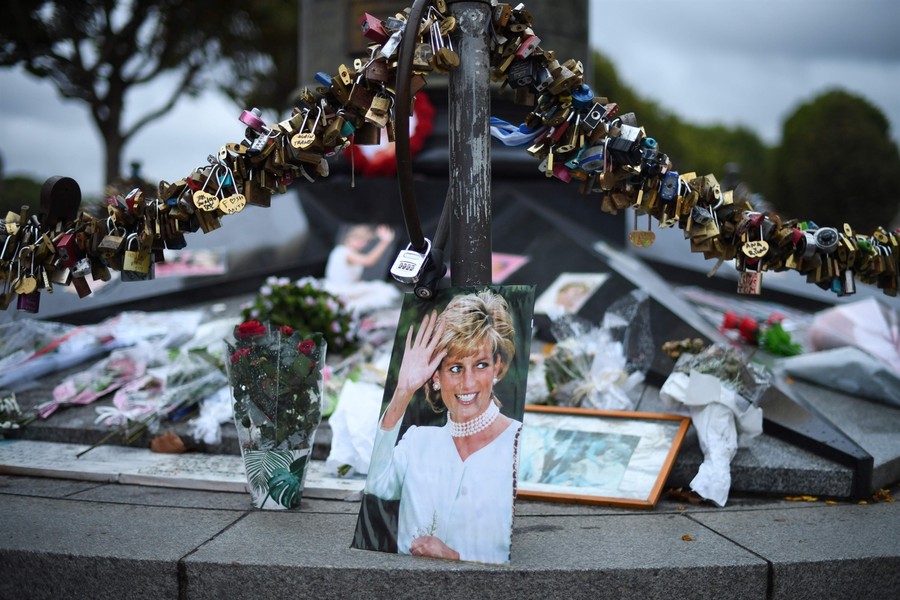
Diana’s death unleashed a wave of mourning unlike anything the modern monarchy had seen. Millions left flowers, cards, and handwritten notes outside royal palaces. Across continents, people lit candles, held vigils, and cried for a woman they had never met.
Why did Diana’s death cut so deeply? She was a royal, but she was also relatable. She hugged AIDS patients when others recoiled, walked through active landmine fields to raise awareness, and spoke openly about her struggles with mental health. She was glamorous yet vulnerable, adored yet wounded — a paradox that made her seem human in a way few royals ever had.
Conspiracy, Questions, and Legacy
The crash also left behind unanswered questions. The role of the paparazzi, the speed of the car, the security arrangements — all fed conspiracy theories that persist to this day. For some, her death became not just a tragedy, but a mystery.
Yet beyond speculation, her legacy endures. Diana redefined what it meant to be royal in the modern age. She gave the monarchy a human face and, in doing so, altered public expectations forever.
28 Years On — The Memory Lives Strong
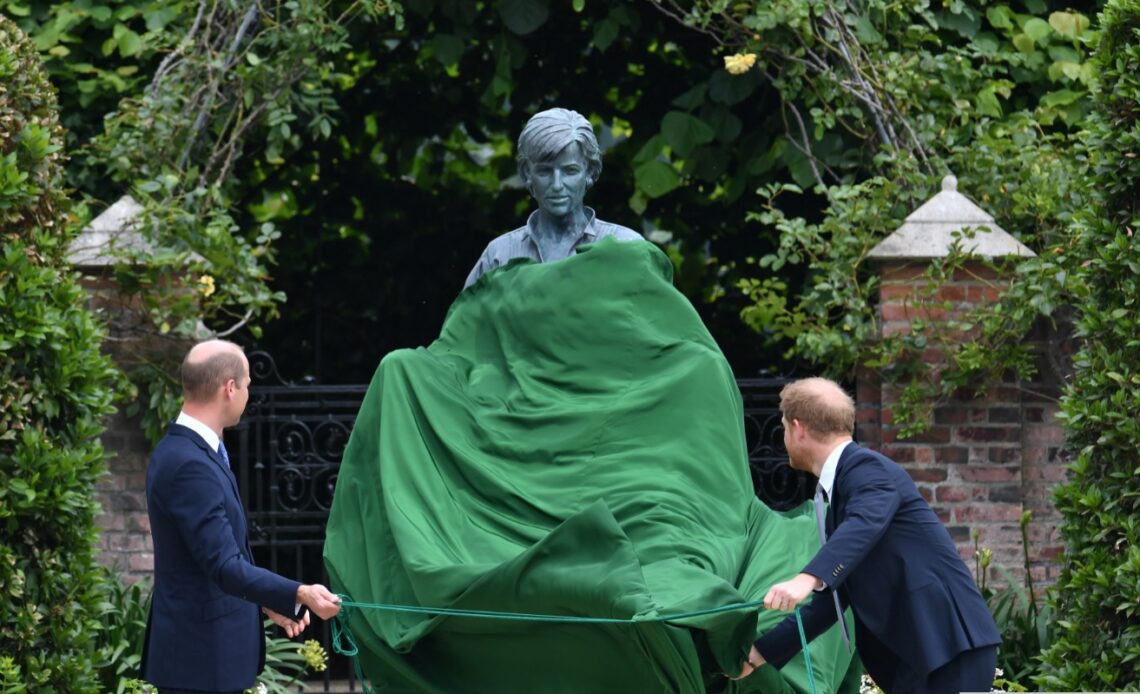
Nearly three decades later, the wound has not fully healed. Her sons continue to honor her legacy in different ways: Prince William through mental health campaigns and charitable work, Prince Harry through his outspoken advocacy and personal memoirs. Both men repeatedly credit their mother’s influence for shaping their paths.
In 2017, on what would have been Diana’s 57th birthday, the Spencer and Windsor families held a private re-dedication of her grave at Althorp. No photos were released — a reminder that even decades later, her memory remains sacred.
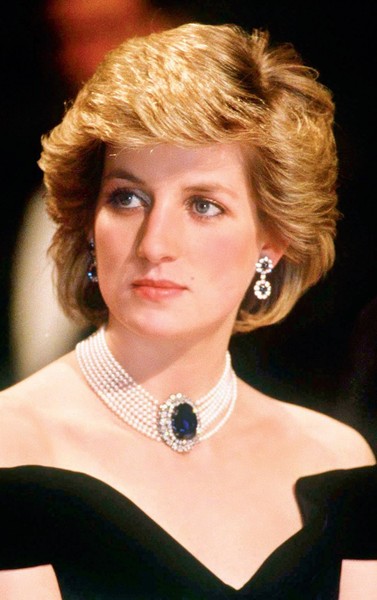
Around the world, Diana’s name still evokes a unique emotional resonance. In fashion, her style is continually recycled on runways. In humanitarian work, her compassion is remembered every time a royal or celebrity leans closer to the marginalized. And in popular culture, documentaries, films, and biographies continue to re-examine her life and death.

Why We Still Remember
The enduring fascination with Diana is not just about her untimely death. It is about what she represented: empathy, vulnerability, and authenticity in a world that often prizes perfection and image.
For many, Diana was the first royal who felt real. She wasn’t afraid to show her flaws, to admit her struggles, or to stand up for causes close to her heart. That honesty, coupled with her tragic end, turned her into more than a princess. She became a symbol.
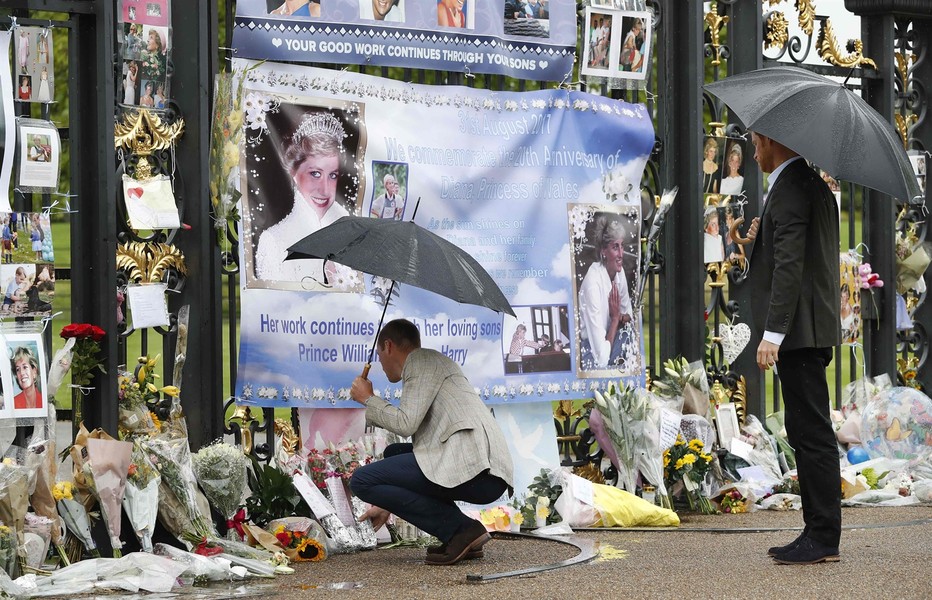 A Princess Forever
As the world marks 28 years since that fateful night in Paris, one truth remains clear: Diana may be gone, but she is not forgotten. Her life — and her death — continue to echo in the corridors of power, in the lives of her sons, and in the hearts of millions who still call her The People’s Princess.
Because Diana didn’t just live in a palace. She lived in the world. And 28 years on, the world still mourns.