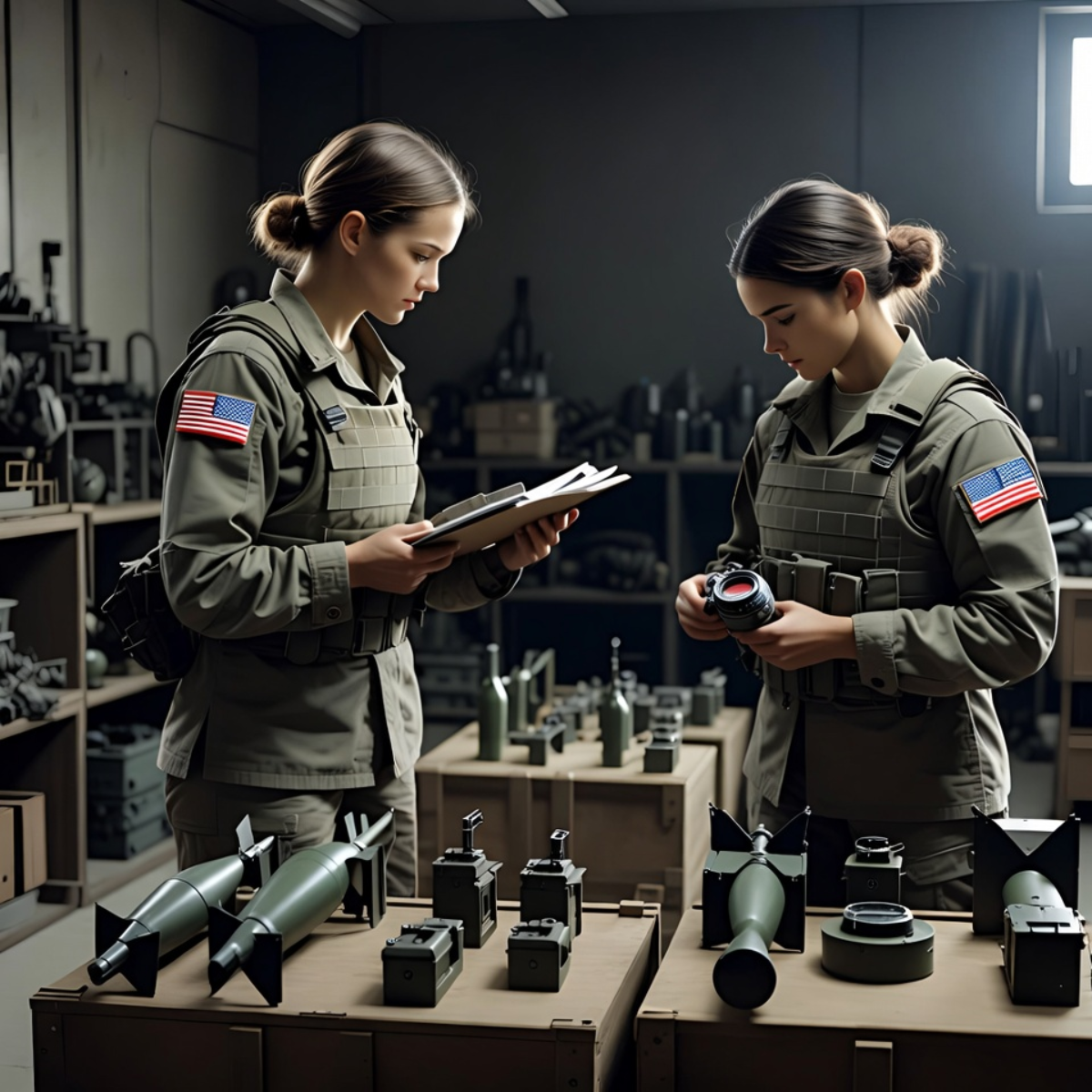
“The Charges Were Set. The Docks Were Gone. But No One Warned Them a Tier-One Ghost Was Checking In Under Her Real Name.”
“The Bomb Was Armed, The Island Was Trapped—But No One Told the Terrorists a Female Special Forces Legend Was Among the Guests”..
Lover’s Island was supposed to be untouchable.
A private resort twenty miles off the Florida coast. Accessible only by ferry or helicopter. Guarded by cameras, private security, and the illusion that violence couldn’t cross salt water.
That illusion shattered at 9:17 p.m.
Maya Cross stood barefoot in her third-floor suite when the first explosion rolled through the building. It wasn’t large—too controlled for chaos—but she felt it in her bones. The vibration moved through concrete, through glass, through muscle memory.
Training replaced vacation in less than a second.
She moved to the window. Smoke curled upward from the marina. The ferry dock burned.
No escape.
Automatic gunfire echoed from the lobby below. Controlled bursts. Disciplined spacing.
Professionals.
Maya locked her door and counted her breathing. Three minutes later, the power cut out. Emergency lights flickered on. Somewhere, someone screamed.
She checked her phone.
No signal.
Jamming.
A voice carried through the atrium on a portable loudspeaker.
“You are under our control. Cooperation ensures survival.”
Maya exhaled slowly.
This wasn’t a robbery.
This was containment.
Boots moved down the hallway outside her door—methodical, room to room. Herding. Not looting.
Hostage protocol.
Then, faintly, through the interference, she heard something that froze her pulse.
“…radiological device… timer active… do not engage prematurely…”
Her jaw tightened.
A dirty bomb.
And somewhere in the building, a countdown had already begun.
The door handle turned.
If they found her now, she died as a civilian.
If she moved—
She might save everyone.
Two armed men entered her suite.
“Hands visible. On your knees.”
Maya complied instantly. Submission was camouflage.
They zip-tied her wrists and escorted her into the hallway. The resort had transformed. Furniture repositioned into defensive lanes. Guests seated in rows beneath armed guards. Blood on marble.
She counted silently.
At least twelve visible attackers. Likely more.
Layered security.
In the central atrium, their leader stood elevated on a concierge desk.
“My name is Idris Haleem,” he announced in fluent English.
His cadence was familiar. Former military. Radicalized, not reckless.
He explained the situation clearly: a radiological dispersal device had been placed within the resort. Any direct assault would trigger detonation, contaminating the island and nearby mainland.
Demands: release of three imprisoned operatives.
Deadline: eight hours.
Maya let herself be grouped near children and injured guests—minimal guard focus. She listened.
“Device secure in lower service level…”
“Readings stable…”
“Timer synced to external command…”
External command.
Which meant override potential.
She needed access.
When a diabetic man collapsed, she broke cover just enough—improvising care, calming panic. Haleem noticed.
“You are not afraid,” he observed.
“Fear doesn’t help,” she replied.
He studied her.
“You have training.”
“Everyone has something.”
Instead of isolating her, he reassigned her to assist medical supervision.
Closer to service corridors.
Closer to the device.
Using a stolen access card and careful timing, Maya slipped into maintenance shafts. Beneath the west wing, inside a sealed utility chamber, she found it.
Shielded. Wired. Sophisticated.
But rushed.
She began disabling the external trigger relay.
Alarms screamed.
Her access card had been flagged.
Boots thundered toward her position.
She severed the final relay, locked the casing, and disappeared into darkness as gunfire erupted upstairs.
The terrorists realized something was wrong.
Now they were hunting.
By dawn, Lover’s Island no longer looked like paradise.
Smoke clung to ceilings. Emergency blankets wrapped shaken guests. Special operations teams swept the compound in tight formations.
Maya stood near the service stairwell, blood on her hands that wasn’t hers.
A young operator approached.
“Ma’am… command says you disabled the device?”
“Yes.”
“Is it safe?”
“Inert. External trigger severed. Manual detonation locked.”
He nodded, awe barely contained.
Senior officers arrived shortly after. A two-star general stopped when he saw her.
“You prevented a radiological event,” he said quietly.
“I was in position,” Maya replied.
Same thing.
Idris Haleem was escorted past in restraints. He met her eyes.
“You were never meant to be a hostage,” he said.
“No,” she answered. “You were.”
By mid-morning, federal lockdown sealed the island. Media statements described an “attempted attack” and “swift response.”
Her name was not mentioned.
She preferred it that way.
Two weeks later, a sanitized news segment replayed overhead in a bus terminal.
“…all hostages survived…”
Maya didn’t watch.
Survival wasn’t victory.
It was responsibility.
She boarded without recognition, carrying a small bag and a body that already felt the pull of the next assignment.
The strongest people were rarely the loudest.
And the most dangerous heroes were the ones no one ever saw coming.