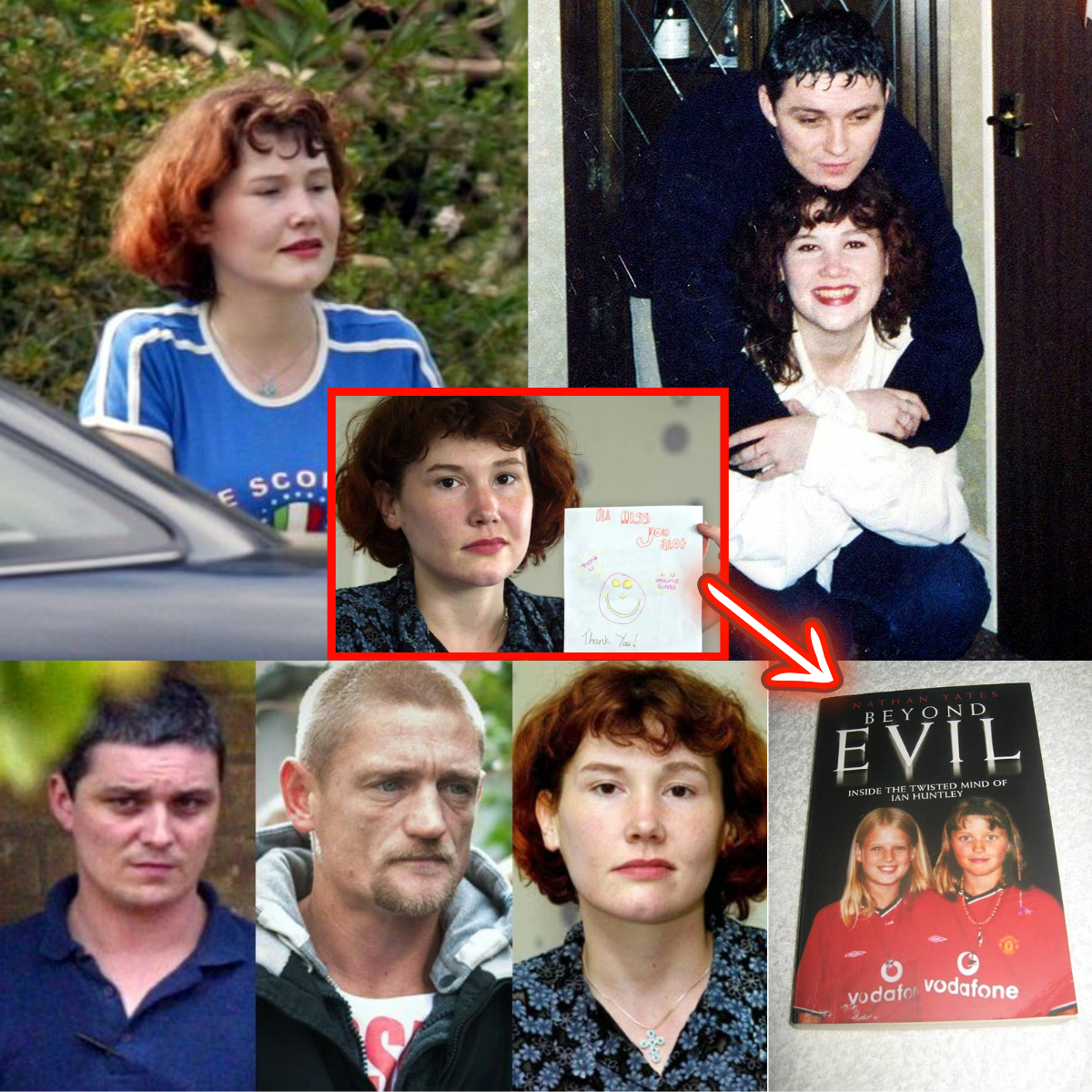
THE WOMAN WHO LIED FOR A KILLER: Once dubbed Britain’s most hated woman for giving a false alibi to child murderer Ian Huntley, Maxine Carr has spent more than two decades living under a secret new identity after the 2002 murders of Holly Wells and Jessica Chapman.
In a poignant and controversial coda to one of Britain’s most harrowing crimes, Maxine Carr – once dubbed the most hated woman in Britain for shielding her boyfriend Ian Huntley with a web of lies after he murdered 10-year-olds Holly Wells and Jessica Chapman in Soham – is now learning of his death from behind the veil of her carefully guarded new life.
Huntley, 52, succumbed on Saturday, March 7, 2026, after life support was withdrawn the previous day following catastrophic brain injuries from a savage prison assault at HMP Frankland in County Durham. The former school caretaker – convicted in 2003 of the double child murders that shocked the nation – had clung to life for over a week after being bludgeoned repeatedly with a metal bar by fellow inmate Anthony Russell, a triple killer who allegedly crowed “I’ve done it” as Huntley collapsed in a pool of blood.
For Carr, the news arrives not as a public spectacle but in the quiet anonymity she has maintained for more than two decades. Released from prison in May 2004 after serving half her 3.5-year sentence for perverting the course of justice, Carr was granted one of the UK’s rarest protections: a High Court anonymity order – one of only four lifelong such orders ever issued – shielding her new identity, appearance, and whereabouts from the world.
The level of safeguarding has been extraordinary – and extraordinarily expensive. Reports estimate the taxpayer bill for her protection has exceeded £2 million (some sources claim closer to £2.3 million), covering multiple relocations, a new identity package, cosmetic surgery to alter her facial features, dental work, and ongoing security measures to prevent recognition or revenge attacks.
In the immediate aftermath of her release from Foston Hall prison in Derbyshire, Carr was shuttled between more than 10 different safe houses over two years as authorities worked to find a permanent, secure location. By 2011, she had reportedly given birth to her first child – a son – while still under heavy protection in a secure environment.
The following year marked a turning point: Carr entered a committed long-term relationship with a man described by sources as a “nice man from a decent family,” fully aware of her past and reportedly “absolutely besotted” with her. Friends portrayed him as supportive and normal, enjoying simple pleasures like countryside walks together. In 2014, the couple is said to have married in a private, low-key ceremony at an undisclosed location – a far cry from the public glare that once defined her life. She wore an elegant ivory dress reportedly costing £2,000, a detail that surfaced in tabloid leaks years later.
Today, Carr is believed to reside in a quiet coastal town, living an ordinary existence as a wife and mother. Her husband remains devoted, sources claim, and the family has built a life shielded from the media frenzy that once hounded her. The anonymity order forbids publication of her new name, location details, or any identifying information – a legal firewall designed to protect her from vigilante threats, many of which have targeted innocent women wrongly mistaken for her over the years.
Yet the shadow of Soham has never truly lifted. The murders on August 4, 2002 – when Holly and Jessica, dressed in matching red Manchester United shirts, slipped away from a family barbecue to buy sweets and were lured into Huntley’s home on College Close – remain etched in national memory. Huntley, the local school caretaker, claimed the deaths were accidental (nosebleeds from chlorine fumes in his bath), but the jury saw through the lies, convicting him of double murder. Carr, a teaching assistant at the girls’ primary school who knew them well, provided a false alibi claiming she was with Huntley that evening – though she was actually visiting her mother in Grimsby.
Her courtroom breakdown during the Old Bailey trial – tearfully declaring “I’m not going to be blamed for what that thing in the box has done to me or those children” – did little to soften public fury. Released on licence, she has lived under constant threat, her protection justified by judges who ruled her life would be in danger without it.
Huntley’s death has reopened old wounds. While his own daughter, Sammie Bryan, expressed cold relief – stating he deserved no funeral dignity and suggesting his ashes be flushed away – and prison inmates reportedly cheered the news, Carr’s response remains private. Sources close to her situation say she learned of the attack and subsequent death alongside her husband, in the safety of their hidden home. No public statement has emerged, and none is expected under the terms of her anonymity.
The contrast is stark: Huntley spent his final years isolated, repeatedly attacked (including a 2010 throat-slashing requiring 21 stitches), and ultimately killed in custody. Carr, by contrast, has rebuilt – marriage, motherhood, a semblance of normalcy – all at significant public expense. Critics decry the cost as an “insult” to Holly and Jessica’s families, who continue to advocate for child safety reforms born from the tragedy. The Bichard Inquiry exposed vetting failures that allowed Huntley – with a history of troubling behavior toward young girls – to work near children, leading to lasting changes in safeguarding.
For the families of Holly and Jessica – Lesley and Kevin Wells, Sharon and Les Chapman – Huntley’s death brings no closure. Their daughters would now be in their mid-30s, perhaps with children of their own. Instead, their story is one of eternal loss, frozen in 2002.
Carr’s protected life raises thorny questions: Does someone who aided – however indirectly – one of the UK’s most notorious killers deserve such extensive, lifelong safeguards? The High Court deemed the risk to her life real and ongoing. Vigilante threats, mistaken identities, and public hatred have proven persistent. Yet the £2 million-plus price tag fuels outrage: why fund cosmetic changes and relocations for someone complicit in covering up child murders?
As Britain reflects on the Soham legacy – the yellow ribbons, the mass searches, the grief that united a nation – Carr remains a ghost in her own story. Hidden in a seaside town, married to a man who accepts her past, raising a family under a false name. Huntley is gone, his body perhaps destined for an unceremonious end. But the pain he and Carr inflicted endures.
The most hated woman in Britain? Perhaps once. Now, she’s just another protected identity – living quietly, while the world remembers the horror she helped conceal.