🔥 THIS FORGOTTEN WESTERN IS SHOCKING NETFLIX VIEWERS!
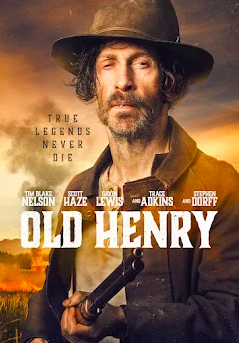
Once you take a look at Netflix’s top 10 movies chart in the week ending July 12th, you will spot quite a few industry favourites that are grabbing the cinematic momentum single-handedly without genre backing, including the gripping Old Henry, starring Tim Blake Nelson.
In an era when streaming algorithms often favor glossy franchises, star-driven vehicles, and high-concept spectacles, the quiet ascent of a modest 2021 Western feels almost rebellious. Old Henry, written and directed by Potsy Ponciroli, has found a second life—and a far larger audience—on Netflix years after its limited theatrical release. What was once an under-the-radar festival title and VOD curiosity has become a genuine word-of-mouth success, proving that audiences still hunger for taut storytelling, lived-in performances, and the moral ambiguity that defined the best classic Westerns.
The film runs a lean 99 minutes. Its budget was a reported $1.5 million. Its domestic box office was a mere $42,068 from a 30-theater release in October 2021. On paper, those numbers suggest a film destined for obscurity. Yet the critical response was strong from the beginning: 94% on Rotten Tomatoes, with the consensus praising Nelson’s performance and the film’s “supple cut of vintage western rawhide.” Metacritic scored it a respectable 69. Audiences who found it on video-on-demand kept it in the iTunes top ten for weeks. Now, on Netflix, that slow-burn appreciation has accelerated into chart dominance.

At its core, Old Henry is a siege story set in the Oklahoma Territory in 1906. Henry McCarty, a weathered widower, lives a deliberately small life on a remote farm with his restless teenage son, Wyatt. Henry is a man of few words and even fewer illusions. He works the land, tends his hogs, and tries—often unsuccessfully—to keep his son from romanticizing the violent world beyond their fence line. Wyatt, played with convincing teenage frustration by Gavin Lewis, yearns for adventure and resents his father’s caution. The quiet tension between them is the emotional foundation of the film long before any gun is drawn.
One day Henry discovers a badly wounded stranger near his property. The man, Curry (Scott Haze), is bleeding from a gunshot wound and carrying a leather satchel stuffed with cash. Against his better judgment—and over Wyatt’s protests—Henry brings the man home and begins treating his injuries. Soon enough, three armed men arrive at the farm claiming to be lawmen. Their leader, Ketchum (Stephen Dorff), demands the wounded man and the money. What follows is a classic Western standoff: questions of identity, shifting loyalties, and the slow realization that almost no one is telling the full truth.
The brilliance of Ponciroli’s screenplay lies in how carefully it withholds information. Henry is not a talkative man. He reveals almost nothing about his past, even to his own son. Viewers sense early that the farmer is more capable than he appears—the way he handles a wound, the way he reads a man’s face, the way he positions himself when danger approaches—but the film never rushes to explain him. That restraint creates genuine suspense. When violence finally erupts, it feels earned rather than obligatory.
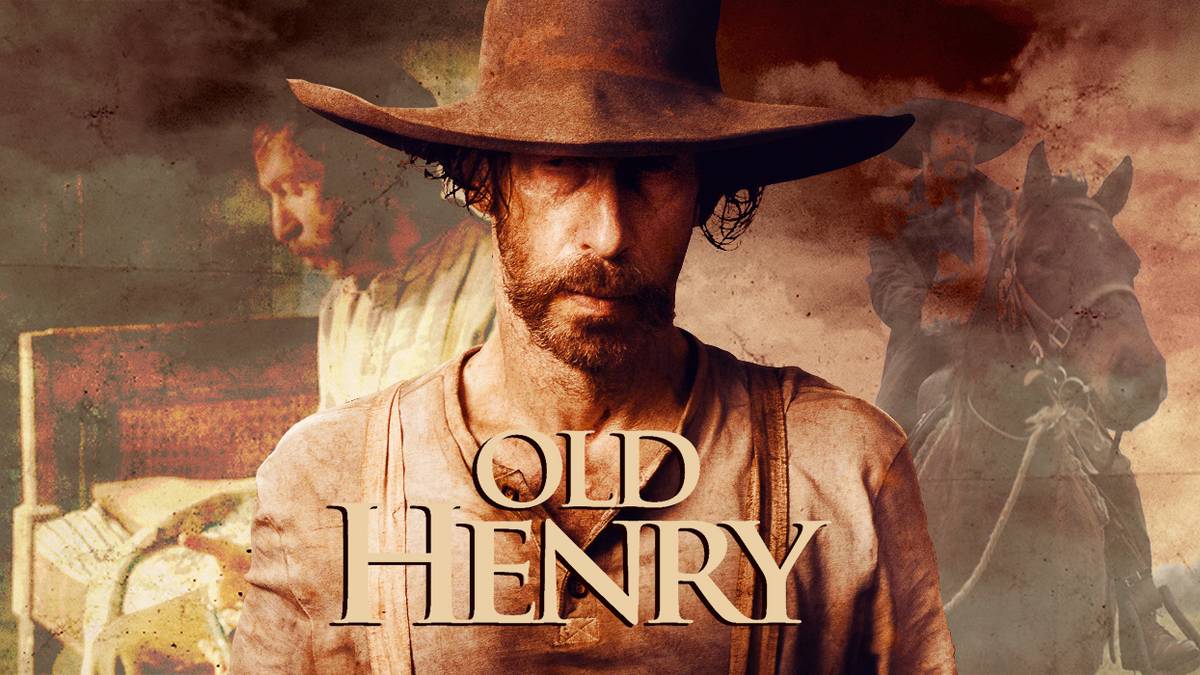
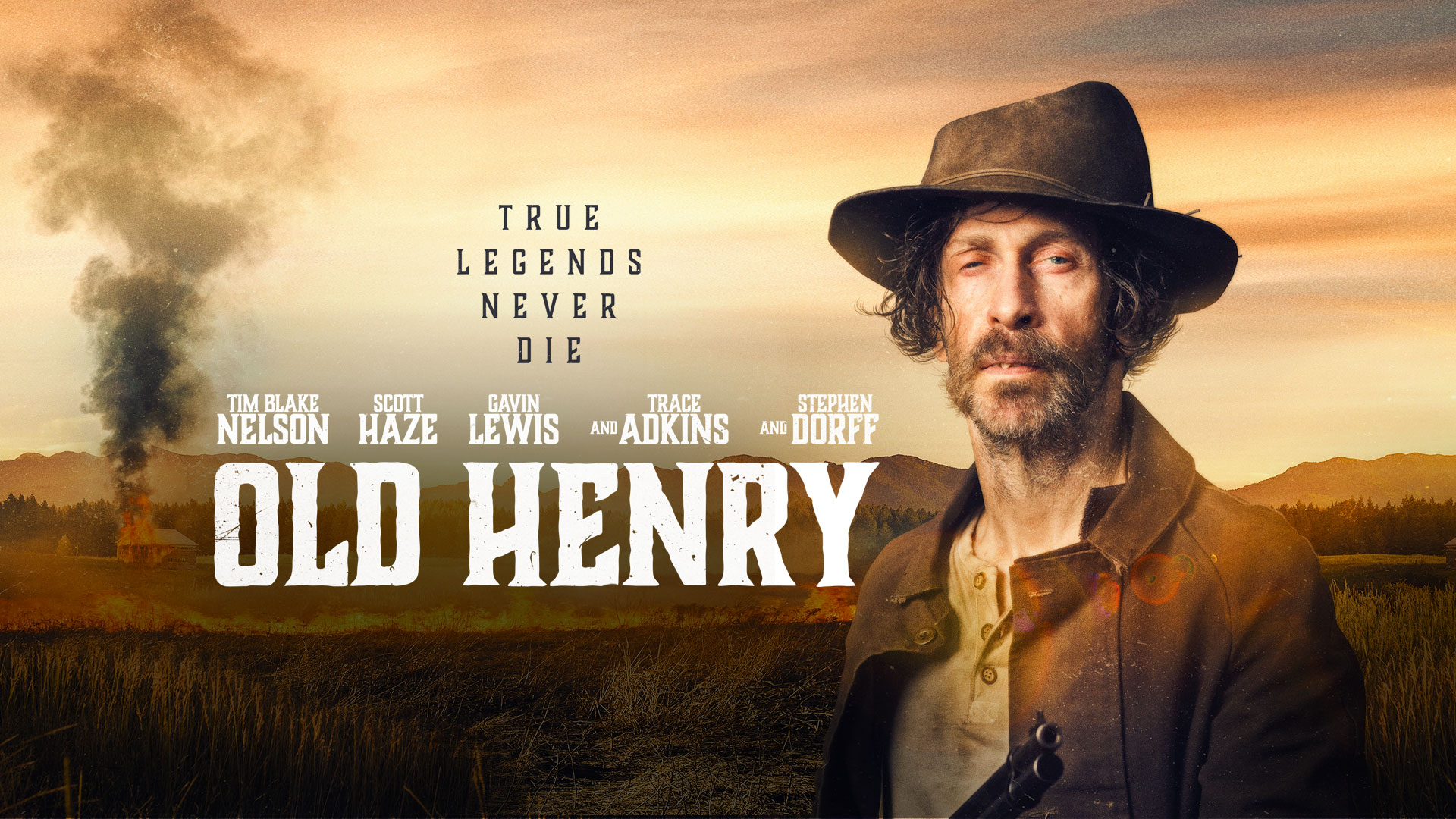
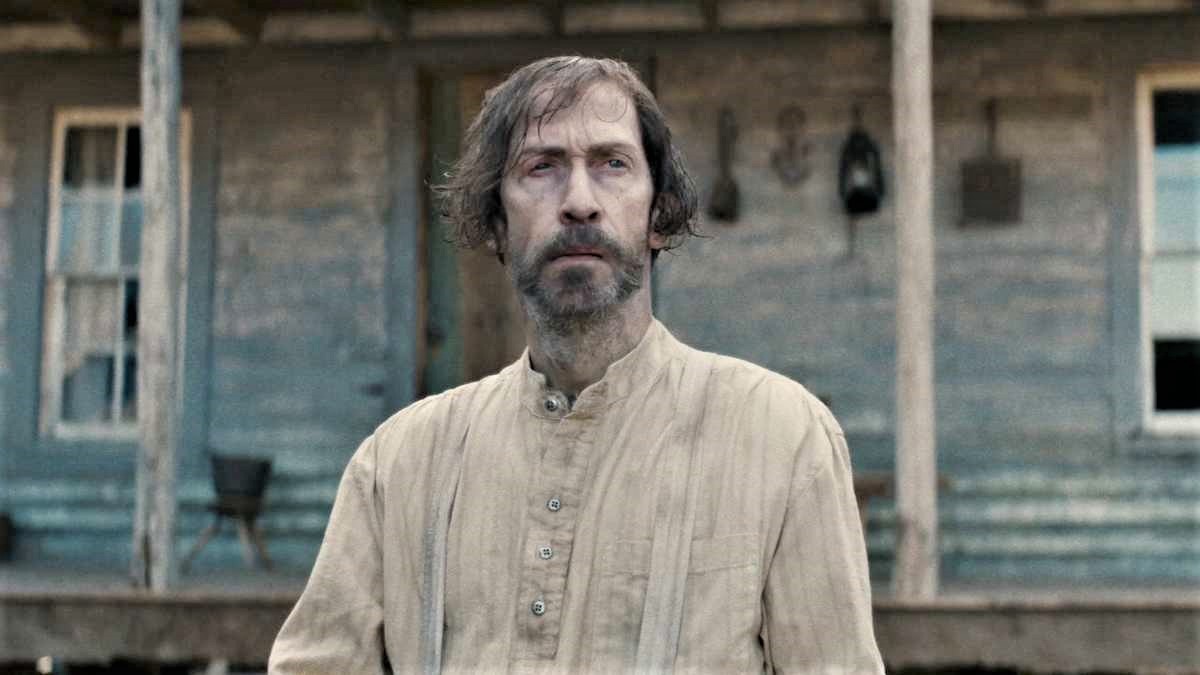
Tim Blake Nelson carries the entire film on his narrow shoulders, and he does so with remarkable control. Known to many for comic or eccentric supporting roles—O Brother, Where Art Thou?, The Ballad of Buster Scruggs, Watchmen—Nelson here delivers a performance of almost monumental quiet. His Henry is a man who has spent years practicing invisibility. The actor’s hangdog face, the slight stoop of his shoulders, the careful economy of his movements all suggest a history of violence he has tried to outrun. When that history is finally forced back into the open, Nelson never overplays the transformation. The shift from weary farmer to lethal gunman feels inevitable rather than theatrical.
Supporting performances are equally well-judged. Stephen Dorff brings a reptilian charm and menace to Ketchum; he is the kind of villain who enjoys the sound of his own voice a little too much. Scott Haze, as the wounded Curry, keeps the audience guessing about his character’s true nature until late in the story. Trace Adkins, as Henry’s brother-in-law Al, provides a grounded, almost paternal counterweight. The ensemble feels lived-in rather than assembled for star power.
Cinematographer John Matysiak shoots the Oklahoma landscape (actually filmed in Tennessee) with a muted, dusty palette that emphasizes isolation. The farmhouse becomes both sanctuary and trap. Wide shots of open prairie that initially feel liberating gradually turn ominous; there is nowhere to run, and the horizon offers no help. Jordan Lehning’s spare score never overwhelms the images. Silence is used as effectively as any musical cue.
Thematically, Old Henry is preoccupied with the impossibility of burying the past. Henry has tried to reinvent himself as a simple man of the soil. He has raised a son, tended animals, and kept his head down. Yet the world of violence he once inhabited refuses to stay buried. The film asks whether a man can ever truly escape the person he used to be, and whether the attempt itself exacts a cost on those he loves. Fatherhood becomes both redemption and vulnerability. Henry’s greatest fear is not death but the possibility that his son will inherit his sins or, worse, idealize them.
The film also functions as a loving, clear-eyed tribute to the Western genre itself. It understands the classic tropes—the mysterious stranger, the siege of the homestead, the moral ambiguity of frontier justice—without treating them as ironic or outdated. At the same time, it avoids the empty nostalgia that can make modern Westerns feel like museum pieces. The violence, when it comes, is abrupt and ugly. Characters die in pain. There is little glory in the gunplay.
Ponciroli, directing only his second feature, shows surprising confidence. He allows scenes to breathe. He trusts the audience to follow the moral complications without excessive exposition. The film’s structure is deceptively simple: a few days, a handful of locations, a small cast. Within that limited frame, he builds genuine tension and emotional weight.
The Netflix resurgence of Old Henry says something significant about contemporary viewing habits. Theatrical windows have shrunk. Marketing budgets favor the already famous. Yet a well-made, character-driven genre film can still find its audience if given time and the right platform. Streaming has become the new repertory house for movies that were underserved on their original release. Viewers who would never have sought out a low-budget Western in 2021 are now discovering it because the algorithm noticed other people like them were watching—and finishing—the film.
There is also a deeper cultural resonance. In a moment when questions of identity, legacy, and personal reinvention dominate public conversation, a story about a man desperately trying to outrun his own name feels unexpectedly timely. Henry’s struggle is not simply about surviving a gunfight. It is about whether a person is defined by the worst things they have done or by the quiet years that followed.
Nelson’s performance anchors every theme. He never asks for sympathy. He simply exists on screen with such specificity that the audience gradually invests in his survival and, more importantly, in his relationship with Wyatt. The final passages of the film land with real emotional force precisely because the preceding hour has been so carefully underplayed.
Old Henry is not a perfect film. Some viewers may find the pacing deliberate to the point of slow. The third-act revelations, while effective, lean on a certain romantic mythology of the Old West that not every modern audience will fully buy. Yet these are minor reservations next to the film’s strengths: its conviction, its craftsmanship, and its star’s career-best work.
For those who have already watched it, the Netflix chart success feels like delayed justice. For those who have not, the film offers something increasingly rare: a story that trusts the audience, respects the genre, and delivers both tension and feeling without excess. In an overcrowded streaming landscape, Old Henry stands out by refusing to shout. It simply does its work with quiet authority—and, five years after its modest debut, it is finally being heard.
The film is currently streaming on Netflix. At just under 100 minutes, it demands little of your time and rewards it with a complete, self-contained experience that lingers. In a year filled with louder, bigger, more aggressively marketed titles, the quiet farmer from Oklahoma Territory may be the most unexpected success story of the summer. Tim Blake Nelson has spent decades being one of the most reliable character actors in American film. With Old Henry, he reminds us that sometimes the supporting player has been waiting for the right role to step fully into the light—and that the light, when it arrives, can be long and hard-earned.