
✨ Making a Murderer: Ten Years Later, Why This Series Still Deserves to Be Your Next Binge (and Why It Might Ruin Your Faith in Justice)
In December 2015, Netflix dropped a 10-episode documentary that no one, not even its creators, expected to become a global phenomenon. Within 35 days, Making a Murderer was watched by more than 20 million households worldwide. Petitions demanding presidential pardons for its two central figures gathered nearly 700,000 signatures combined. Reddit threads ran into the tens of thousands of posts. Law professors rewrote syllabi. And millions of ordinary viewers suddenly believed they had watched an innocent man—and a intellectually disabled teenager—be railroaded by a corrupt American justice system.
Ten years later, in 2025, the case of Steven Avery and Brendan Dassey remains unresolved, the petitions remain unanswered, and the series itself is still one of Netflix’s most re-watched true-crime titles ever. If you have somehow never seen Making a Murderer—or if you watched it years ago and think the story is “done”—here are seven powerful reasons why it deserves to be your next binge, and why it still matters more than almost anything else in the genre.
1. It Is the Blueprint for the Modern True-Crime Explosion
Before Making a Murderer, true-crime documentaries were mostly one-off specials on cable. After it, the entire industry changed. The Jinx, Serial (season 1), The Staircase Netflix update, Don’t F**k with Cats, Tiger King—none of those projects would have existed in their current form without Laura Ricciardi and Moira Demos spending ten years filming in Manitowoc County, Wisconsin.
The filmmakers didn’t just document a trial; they created an entirely new narrative language: slow-burn suspense built from real courtroom footage, intimate family interviews, and haunting Midwestern winter landscapes. They proved that real life could be more dramatic than fiction if you simply refused to look away.
2. The Story Is Almost Unbelievably Compelling—Because It’s True
In 1985, 23-year-old Steven Avery was convicted of a brutal sexual assault and attempted murder on a beach near his family’s salvage yard. He spent 18 years in prison. In 2003, DNA evidence exonerated him completely. Two years later—while Avery was suing Manitowoc County for $36 million over his wrongful conviction—25-year-old photographer Teresa Halbach disappeared after visiting the Avery salvage yard to photograph a car for AutoTrader magazine. Her burned remains were later found on the property. Avery was arrested. Then, in a separate interrogation, his 16-year-old nephew Brendan Dassey—who has an IQ bordering on intellectual disability—gave a confession that would horrify the world.
What follows is a legal and moral labyrinth: planted evidence or sloppy police work? A coerced confession or a guilty boy finally telling the truth? A vendetta by a sheriff’s department desperate to avoid a massive lawsuit, or a tragic but fair prosecution? The series never tells you what to think. It simply shows you everything—and trusts you to decide.
3. It Will Make You Question Everything You Thought You Knew About “Confessions”
Perhaps the single most disturbing element of Making a Murderer is Brendan Dassey’s four recorded interrogations. Over hours of questioning—without a lawyer or even a parent consistently present—two investigators feed a learning-disabled teenager details of a crime he initially says he knows nothing about. They promise him leniency that never materializes. They tell him, repeatedly, “We already know what happened… just be honest.” Eventually, Dassey offers a narrative so inconsistent and physically implausible that it collapses under the slightest scrutiny.
Yet a jury convicted him. He was sentenced to life with no parole until 2048.
In 2016, a federal magistrate overturned Dassey’s conviction, writing that the confession was “so clearly involuntary in a constitutional sense that the court of appeals’ decision to the contrary was an unreasonable application of established law.” Higher courts later reinstated the conviction, and the U.S. Supreme Court declined to hear the case. Watching those interrogation tapes today remains one of the most uncomfortable experiences in television history—and a masterclass in why “he confessed” is never the end of the conversation.
4. It Exposes the Real-Life Consequences of Confirmation Bias in Law Enforcement
Manitowoc County officials insisted they had recused themselves from the Halbach investigation because of the conflict of interest created by Avery’s lawsuit. Yet multiple pieces of evidence—the key to Teresa’s car, a bullet fragment with her DNA, Avery’s blood in her vehicle—were all found by Manitowoc deputies. The series meticulously documents moments that strain credulity: a vial of Avery’s blood from 1985 with a suspicious puncture hole in the seal, a county officer caught calling in Teresa Halbach’s license plate two days before her car was officially “discovered,” and voicemail messages deleted from her phone.
Whether you ultimately believe Avery is guilty or innocent, the optics are catastrophic. Making a Murderer forces viewers to confront a terrifying possibility: that law enforcement agencies, under pressure to solve a high-profile murder and protect themselves from financial ruin, may prioritize closing a case over finding the truth.

5. It Humanizes People Society Usually Writes Off
Steven Avery is not a saint. Before the 1985 wrongful conviction, he had a criminal record that included animal cruelty and domestic incidents. The series does not hide this. But it also shows a man who, after 18 years in prison for a crime he didn’t commit, emerged determined to rebuild his life—only to be arrested again two years later.
Brendan Dassey, meanwhile, comes across as heartbreakingly childlike: a shy, wrestling-obsessed teenager who draws pictures for his lawyers and repeatedly asks if he’ll be back in time for his favorite TV show after giving a statement.
By spending time with the Avery and Dassey families—flawed, rural, working-class people who speak in thick Wisconsin accents—the filmmakers force viewers to see them as human beings rather than caricatures of “trailer-park criminals.” That act of empathy alone was revolutionary in 2015, and it remains powerful today.
6. The Case Is Still Alive—and Still Evolving
As of November 2025, Steven Avery remains in prison. His current attorney, Kathleen Zellner, continues to file motions based on new scientific testing and witness recantations. Brendan Dassey’s legal team is exploring options after the Supreme Court refusal. New evidence—denied testing for years—has finally been granted court approval in 2024. In other words, the story Making a Murderer began telling in 2005 is not over.
Every few months, a headline reminds the world that this is not ancient history. Watching the series now feels less like revisiting a “classic” and more like catching up on an ongoing national scandal.
7. It Will Change the Way You Consume All Future True-Crime Content
Once you’ve seen Making a Murderer, every slick Netflix docuseries that followed feels different. You start noticing editing tricks. You question voiceover narration that tells you how to feel. You listen more closely to what is not being asked in interviews. You become, in short, a savvier—and more skeptical—viewer.
The series raised the bar so high that many subsequent projects feel manipulative by comparison. It remains the gold standard because it trusts the audience with ambiguity instead of feeding us certainty.
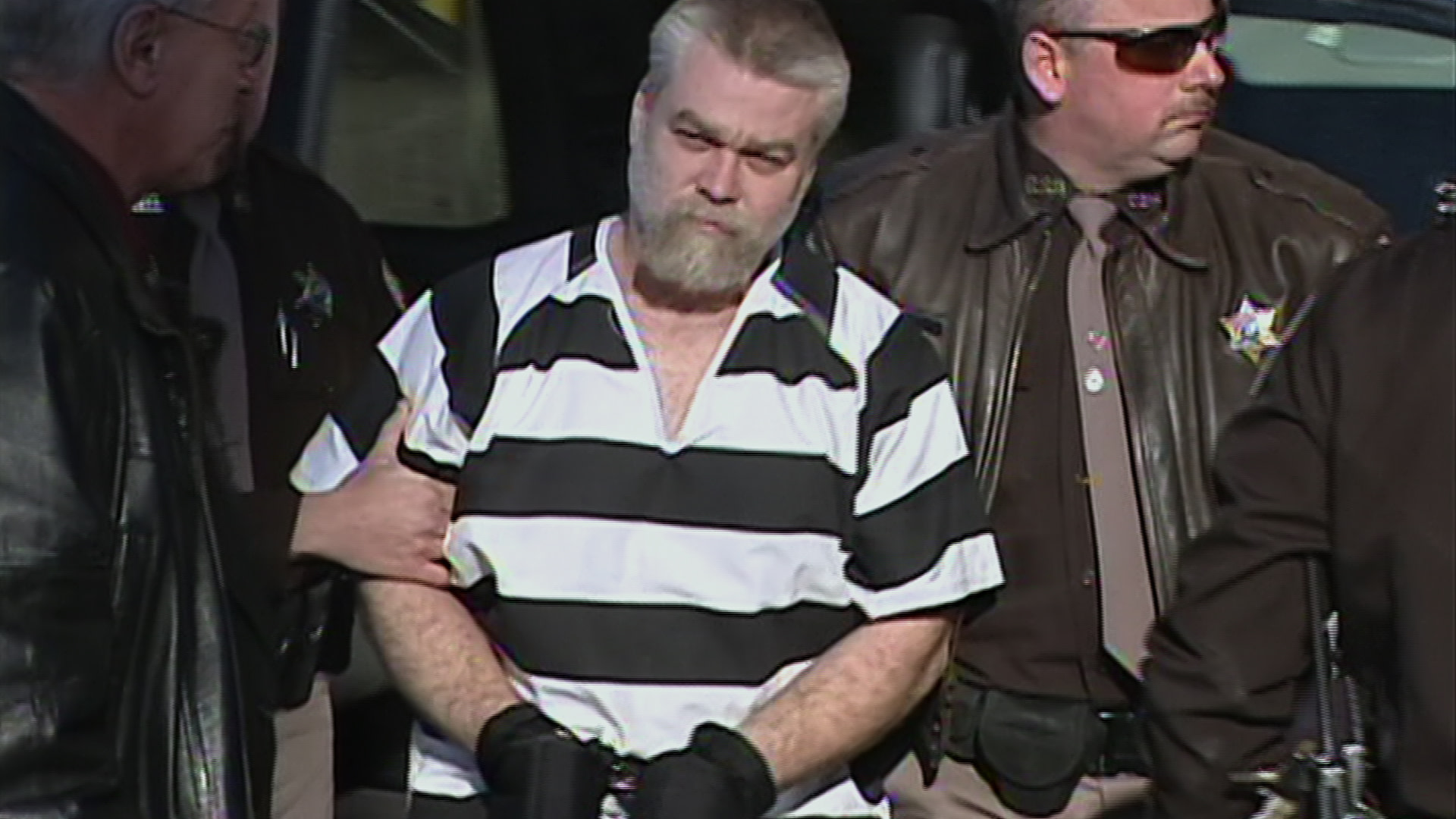
Final Thoughts: Why You Should Press Play Tonight
Making a Murderer is not an easy watch. It is infuriating, depressing, and at times almost unwatchable. It will probably ruin at least one dinner-table conversation with your family when you try to explain why you’re suddenly obsessed with EDTA testing and the Reid interrogation technique.
But it is also one of the most important pieces of television ever made. It is a mirror held up to the American criminal justice system—and what stares back is often ugly. It is a reminder that real people’s lives can be destroyed by institutional inertia, tunnel vision, and the human impulse to want a simple villain.
Ten years on, the questions it raised have only grown more urgent: Can the system ever admit it was wrong? How many Brendan Dasseys are out there right now, confessing to things they don’t understand because adults in uniforms told them it was the only way to go home?
If you care about justice, about storytelling, or simply about what happens when ordinary people collide with extraordinary power, you owe it to yourself to watch—or re-watch—Making a Murderer.
And when the credits roll on episode 10, don’t be surprised if you immediately start googling updates. That’s not just the mark of great television.
That’s the mark of a story that still refuses to let us look away.